 Pin it
 My neighbor knocked on my door one Wednesday evening holding a casserole dish and asking if I had any cheddar. She was making dinner for her kids and ran out mid-recipe. I handed her a block, and she invited me to stay. That meal turned into this pasta, a dish I've been tweaking ever since. It's the kind of comfort food that doesn't ask for much but delivers every time. Now it's my go-to when I need something warm, filling, and ready in under an hour.
I made this for my sister after she had her second baby, and she texted me the next day asking for the recipe. She said it was the first meal she actually enjoyed in weeks, not just tolerated. That's when I realized this dish has a quiet power. It doesn't try to impress anyone, but it shows up when you need it. I've brought it to potlucks, served it on rainy Sundays, and eaten it straight from the skillet after long days.
Ingredients
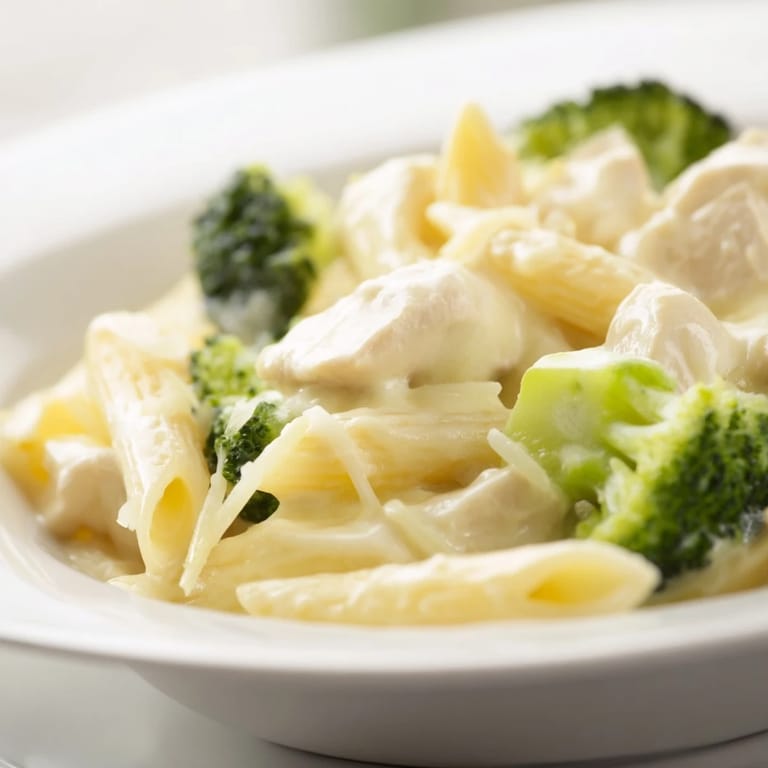
- Penne or rotini pasta (340 g): Short pasta with ridges or twists holds onto the cheese sauce better than smooth noodles, and it's easier for kids to eat with a fork.
- Chicken breasts (350 g): Cut them into even pieces so they cook at the same rate, and don't overcrowd the pan or they'll steam instead of browning.
- Broccoli florets (2 cups): Adding them to the pasta water in the last two minutes keeps them bright green and tender without needing another pot.
- Garlic (2 cloves, minced): Fresh garlic gives the sauce a subtle warmth that powdered versions can't match, just don't let it burn or it turns bitter.
- Unsalted butter (2 tbsp): This starts the roux and adds richness, but using unsalted lets you control the salt level in the final dish.
- All-purpose flour (2 tbsp): Whisked with butter, it thickens the milk into a sauce that coats the pasta instead of pooling at the bottom.
- Whole milk (2 cups): Whole milk creates a creamier sauce than low-fat versions, and it's less likely to break when you add the cheese.
- Sharp cheddar cheese (1 1/2 cups, shredded): Shred it yourself from a block because pre-shredded cheese has anti-caking agents that make the sauce grainy.
- Salt (1/2 tsp plus more for pasta water): Season in layers, the pasta water, the chicken, and the sauce, so the flavor builds instead of landing flat.
- Black pepper (1/4 tsp): A little pepper cuts through the richness and wakes up the cheddar without overpowering it.
- Paprika (1/2 tsp, optional): Adds a hint of color and a whisper of smokiness that makes the sauce feel more complex.
- Olive oil (1 tbsp): Keeps the chicken from sticking and adds a touch of fruity flavor that balances the butter.
Tired of Takeout? 🥡
Get 10 meals you can make faster than delivery arrives. Seriously.
One email. No spam. Unsubscribe anytime.
Instructions
- Boil the pasta and broccoli together:
- Bring a large pot of salted water to a rolling boil, then cook the pasta according to package directions. Drop the broccoli florets in during the last two minutes so they soften but stay bright green, then drain everything together in a colander.
- Sauté the chicken until golden:
- Heat olive oil in a large skillet over medium heat, add the chicken pieces seasoned with a pinch of salt and pepper, and cook for 5 to 7 minutes, turning occasionally until they're golden and no longer pink inside. Remove the chicken to a plate and set aside.
- Make the roux with butter and garlic:
- In the same skillet, melt the butter over medium heat, then add the minced garlic and cook for 30 seconds until it smells sweet and toasty. Sprinkle in the flour and whisk constantly for about a minute until it forms a pale paste.
- Whisk in the milk and thicken the sauce:
- Slowly pour in the milk while whisking to keep lumps from forming, then let it simmer and thicken for 3 to 4 minutes, stirring occasionally. The sauce should coat the back of a spoon when it's ready.
- Stir in the cheddar and seasonings:
- Lower the heat and add the shredded cheddar, salt, black pepper, and paprika if using, stirring gently until the cheese melts into a smooth, glossy sauce. Don't let it boil or the cheese can seize and turn grainy.
- Toss everything together:
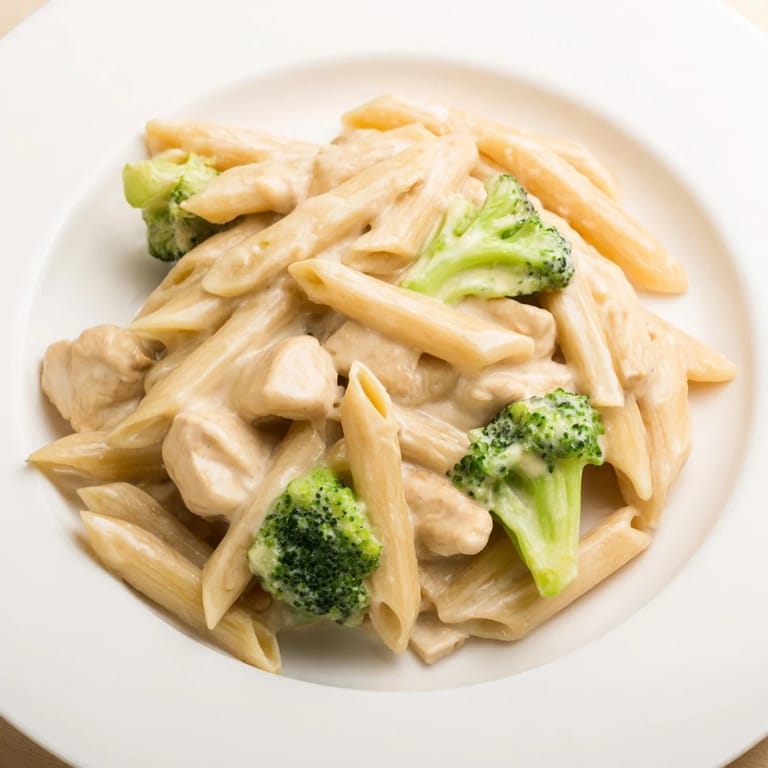
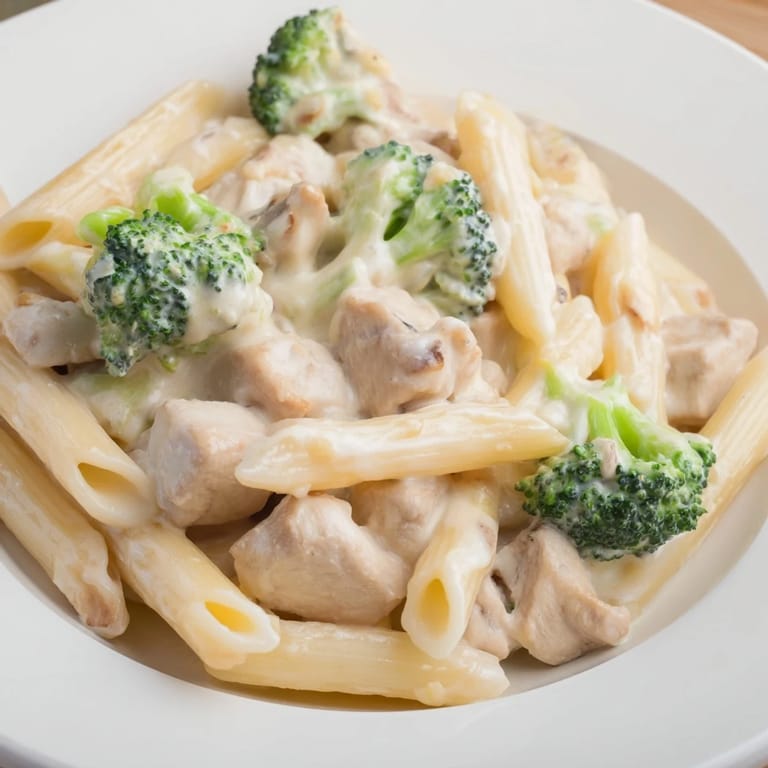
- Add the drained pasta, broccoli, and cooked chicken back into the skillet, tossing well so every piece is coated in the cheese sauce. Let it heat through for 1 to 2 minutes, then serve right away while it's hot and creamy.
 Pin it
 The first time my husband took a bite of this, he looked up and said it tasted like something his mom used to make, except better. I didn't have the heart to tell him I learned it by accident from a neighbor. Now it's his most-requested weeknight dinner, and I've stopped keeping count of how many times I've made it. Some recipes earn their place in your rotation quietly, without fanfare, and this is one of them.
How to Make It Even Easier
If you're short on time or energy, use a rotisserie chicken from the grocery store and shred the meat instead of cooking raw chicken. You can also buy pre-cut broccoli florets to skip the chopping, though I still recommend fresh over frozen for better texture. Another trick is to cook the pasta ahead of time and store it in the fridge, then just reheat it with the sauce when you're ready to eat. I've done this on Sunday afternoons and had dinner ready in ten minutes on Tuesday.
What to Serve Alongside
This pasta is rich enough to stand alone, but a simple green salad with lemon vinaigrette cuts through the creaminess and adds freshness. Garlic bread or cheesy breadsticks are always a hit if you're feeding a crowd or kids who need something to dip. I've also served it with roasted cherry tomatoes on the side, which add a sweet-tart contrast that makes the whole meal feel more complete. Keep the sides light so the pasta stays the star.
Storage and Reheating Tips
Leftovers keep in an airtight container in the fridge for up to three days, though the sauce will thicken as it cools. When you reheat it, add a splash of milk and warm it gently on the stovetop over low heat, stirring often to bring back that creamy texture. The microwave works in a pinch, but stir every 30 seconds and add a little milk to keep it from drying out. I've also frozen portions in single-serving containers, and they reheat surprisingly well after a night in the fridge to thaw.
- Store in airtight containers and label with the date so you don't forget what's hiding in the back of the fridge.
- Reheat on the stovetop with a splash of milk for the best texture, or use the microwave in short bursts with frequent stirring.
- If the pasta absorbs too much sauce overnight, thin it out with a little chicken broth or extra milk before serving.
 Pin it
 This dish has become the kind of recipe I don't have to think about anymore, my hands just know what to do. I hope it finds a spot in your kitchen the same way it did in mine, quietly dependable and always welcome.
Recipe FAQs
- → Can I use frozen broccoli instead of fresh?
Yes, frozen broccoli works well in this dish. Thaw it first and pat dry to remove excess moisture, which prevents the sauce from becoming watery. Add it to the skillet during the final tossing step rather than cooking it with the pasta.
- → How do I prevent lumps in the cheese sauce?
The key is tempering the milk gradually while whisking constantly. After making the roux with butter and flour, pour the milk in slowly while whisking vigorously. This creates a smooth base before adding cheese, ensuring a silky sauce without lumps.
- → What type of cheddar cheese works best?
Sharp or extra-sharp cheddar provides the richest flavor and melts smoothly into the sauce. Avoid pre-shredded cheese with anti-caking agents when possible, as it can become grainy. Freshly shredded cheese melts more evenly and creates a better texture.
- → Can I make this ahead and reheat it?
Yes, you can refrigerate the finished dish for up to 3 days. Reheat gently on the stovetop over low heat, adding a splash of milk if needed to loosen the sauce. Avoid high heat, which can cause the cheese sauce to break or separate.
- → How can I make this spicier?
Add crushed red pepper flakes, cayenne pepper, or hot sauce to taste. You can mix heat into the cheese sauce itself or sprinkle it on individual servings. Start with a quarter teaspoon and adjust to your preference for a gentle kick.
- → Is there a gluten-free version?
Absolutely. Substitute gluten-free pasta and gluten-free all-purpose flour in equal amounts for the roux. The cooking method remains the same, and the sauce develops the same creamy consistency. Always verify your cheese is gluten-free as well.