 Pin it
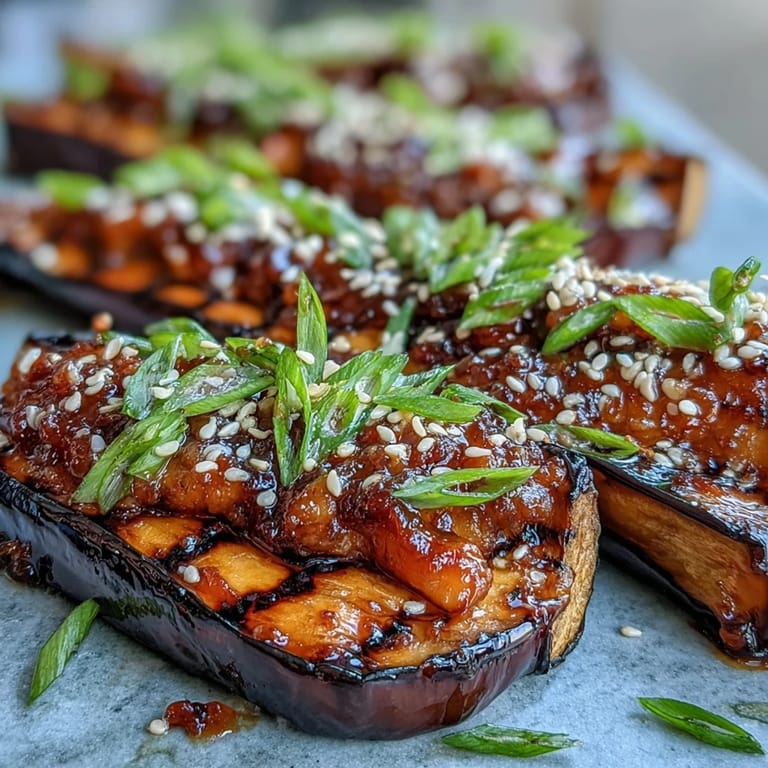
 The first time I tried miso glazed eggplant, I wasn't even planning to cook – I just found myself mesmerized by the aromatic swirl rising from the kitchen while my roommate experimented with recipes for a dinner party. I hovered nearby, sneakily inhaling the mix of toasty miso and caramelizing sugars. The sizzle and hum of the broiler turned heads, and before I knew it, I was elbow-deep in prepping the next batch. There was something irresistible about the glossy, bubbling surface atop each eggplant half. Who knew such a simple veggie could steal the show?
I distinctly remember pulling this dish out for an impromptu picnic one breezy Sunday, the eggplants still warm and packed snugly in foil. A friend’s napkin ended up streaked golden as he scooped up the glaze with reckless delight – nobody wanted to wait for forks or plates. Someone started babbling about making this for every family gathering from now on, sparks of laughter echoing between bites. It felt like the eggplant bridged us right to contentment out on that checkered blanket. Ever since, it’s been my answer to 'bring something everyone will love.'
Ingredients
- Eggplants (2 medium, halved lengthwise): Choose ones with smooth, shiny skin for the creamiest flesh after roasting – don't be afraid to press them gently to check for firmness.
- White miso paste (3 tbsp): The star of the glaze, shiro miso lends gentle sweetness; don’t substitute with darker miso or the flavor will overpower.
- Mirin (1½ tbsp): This sweet rice wine rounds out the glaze, and if you can’t find it, a splash of rice vinegar with sugar works in a pinch.
- Sake (1½ tbsp): Adds depth and aroma; I learned that letting it cook off slightly tames the sharpness.
- Sugar (1½ tbsp): Helps caramelize the top – use superfine sugar for easy melting but brown sugar can add subtle complexity.
- Soy sauce (1 tbsp): Brings umami and color; swap in tamari if cooking gluten-free.
- Sesame oil (1 tbsp, plus extra for brushing): Toasted is best for nutty depth, but use sparingly to avoid overpowering the miso’s nuance.
- Toasted sesame seeds (1 tsp, optional): Their crunch adds a tiny fireworks display atop each bite.
- Green onions (2, finely sliced, optional): For color and zesty freshness, scatter just before serving so they stay crisp.
Tired of Takeout? 🥡
Get 10 meals you can make faster than delivery arrives. Seriously.
One email. No spam. Unsubscribe anytime.
Instructions
- Get the oven ready:
- Preheat the oven to 400°F (200°C), line your baking sheet with parchment paper, and enjoy that moment where everything feels possible.
- Prep the eggplant:
- Score each eggplant half in a crosshatch pattern, careful not to pierce the skin; running your knife gently makes all the difference here.
- Oil and arrange:
- Brush the cut sides with sesame oil (just enough for sheen, not drenched), then place them cut side up on the baking sheet so they roast instead of steam.
- Roasting time:
- Slide them into the oven for about 25 minutes; they’re ready when buttery-soft and tinged gold around the crisping edges.
- Make the miso glaze:
- In a small saucepan, combine miso paste, mirin, sake, sugar, and soy sauce; stir over low heat just until smooth and gently thickened, letting the scent rise and tempt you.
- Glaze the eggplant:
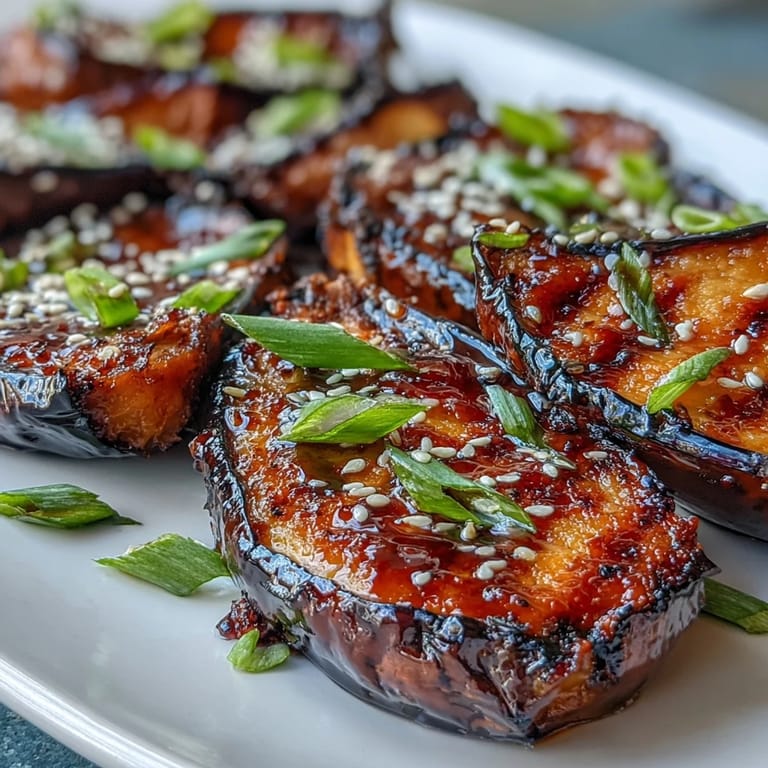
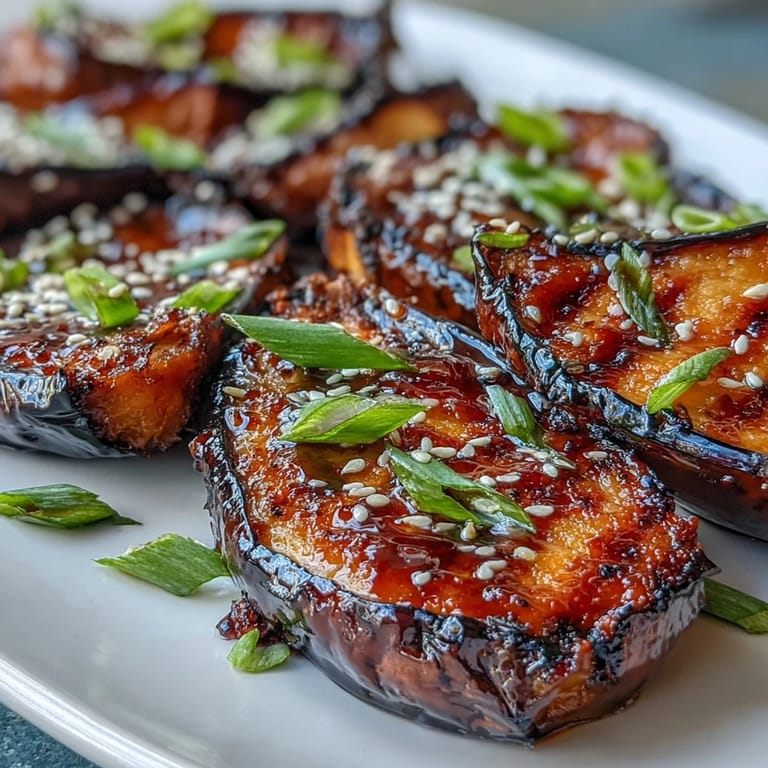
- Pull the eggplants out, and spread the warm miso glaze generously over the scored flesh, making sure every groove is glistening.
- Broil to finish:
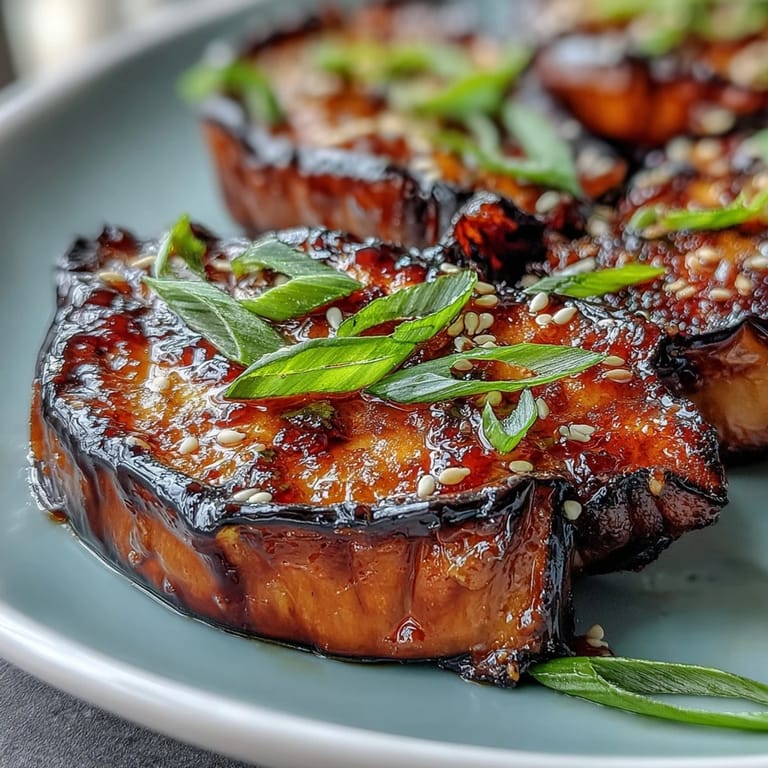
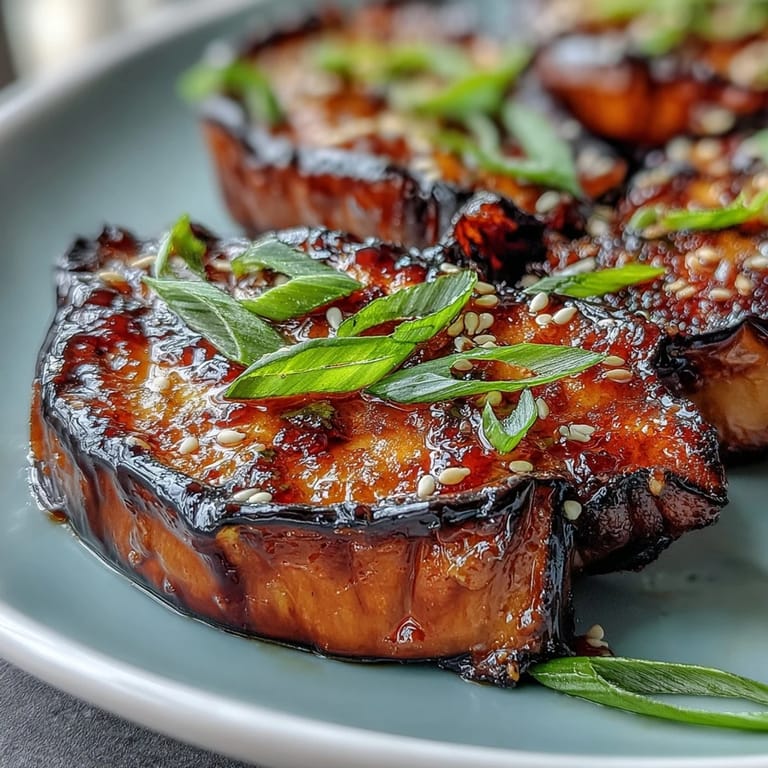
- Pop the glazed eggplants back under the broiler for 3–5 minutes; stand guard close by so you catch that perfect burnished top before it takes a turn too dark.
- Garnish and serve:
- Transfer with care, then shower with sesame seeds and fresh green onion – it’s showtime. Serve immediately to enjoy the sticky warmth.
 Pin it
  Pin it
 The most surprising memory from making this dish is when a notoriously picky cousin took one skeptical bite, paused, then went back for seconds before admitting she hadn't realized eggplant could be this delicious. A quiet triumph, made better by the sticky miso smile she wore the rest of dinner.
Serving Suggestions That Shine
Pair this miso glazed eggplant with plain steamed rice for a minimalist meal, or nestle it alongside a vibrant salad tossed with ginger dressing. Sometimes I slice leftover pieces and tuck them inside sushi hand rolls with avocado and crunchy cucumbers – not traditional, but totally irresistible. When serving guests, I like to finish the platter with a wild sprinkle of extra sesame for drama. Whatever you do, resist the urge to serve straight from the oven – a short rest mellows the flavors perfectly.
What to Do If You Cant Find Mirin or Sake
Missing one or both of these Japanese staples doesn’t have to stop your miso eggplant dreams, as I’ve improvised when the store let me down. Rice vinegar (even apple cider vinegar) with a pinch of sugar brings similar brightness to the glaze, and unsweetened white wine works fine in place of sake. The secret is tasting as you go: add tiny amounts until balance and flavor click. Your kitchen will still fill with that unmistakable aroma – promise.
Navigating Allergens and Dietary Needs
One thing I learned the awkward way is that many friends follow gluten-free or vegan diets, and small tweaks make joy shareable for all. Tamari replaces soy sauce easily, and double-checking the labels on your miso paste and sake saves wardrobe changes mid-dinner. Vegan-friendly miso and alcohol options are widely available, so nobody has to miss out.
- Have ingredients measured and ready before you start – the glaze comes together quickly.
- Don’t skip scoring the eggplant – it lets the glaze soak way down into every bite.
- Leftovers reheat surprisingly well under a broiler, bringing back that elusive caramelized top.
 Pin it
  Pin it
 This miso glazed eggplant is my go-to for turning ordinary evenings into something deliciously memorable. Let the savory-sweet aroma draw your favorite people to the table every time.
Recipe FAQs
- → How do I avoid soggy eggplant?
Score the flesh in a crosshatch to help heat penetrate and moisture escape, roast cut-side up on a single layer so steam can vent, and avoid overcrowding the pan. If you prefer a firmer texture, salt the cut sides briefly and pat dry before roasting.
- → Can I make this vegan or gluten-free?
Yes. For vegan use, check that miso and mirin are vegan-friendly. For gluten-free, replace soy sauce with tamari or a gluten-free soy alternative. Adjust tasting salt levels after substituting.
- → What’s the best way to caramelize the glaze?
Brush a generous, even layer of glaze over the roasted flesh, then broil on high with the rack near the element for 3–5 minutes. Watch closely to avoid burning; bubbling and dark spots signal caramelization.
- → What can I use instead of mirin or sake?
Substitute mirin with a mix of rice vinegar and a pinch of sugar (about 1 tbsp rice vinegar + 1 tsp sugar per 1 tbsp mirin). If sake is unavailable, a light vegetable stock or water can be used, but reduce other salty elements slightly.
- → How should leftovers be stored and reheated?
Cool to room temperature, refrigerate in an airtight container for up to 3 days. Reheat under the broiler for a few minutes to revive the caramelized glaze, or warm in a 350°F (175°C) oven until heated through.
- → Can I grill the eggplant instead of roasting?
Yes — grill cut-side down first to get char and then finish cut-side up with the glaze to avoid flare-ups. Use moderate heat to cook through without burning the glaze.