 Pin it
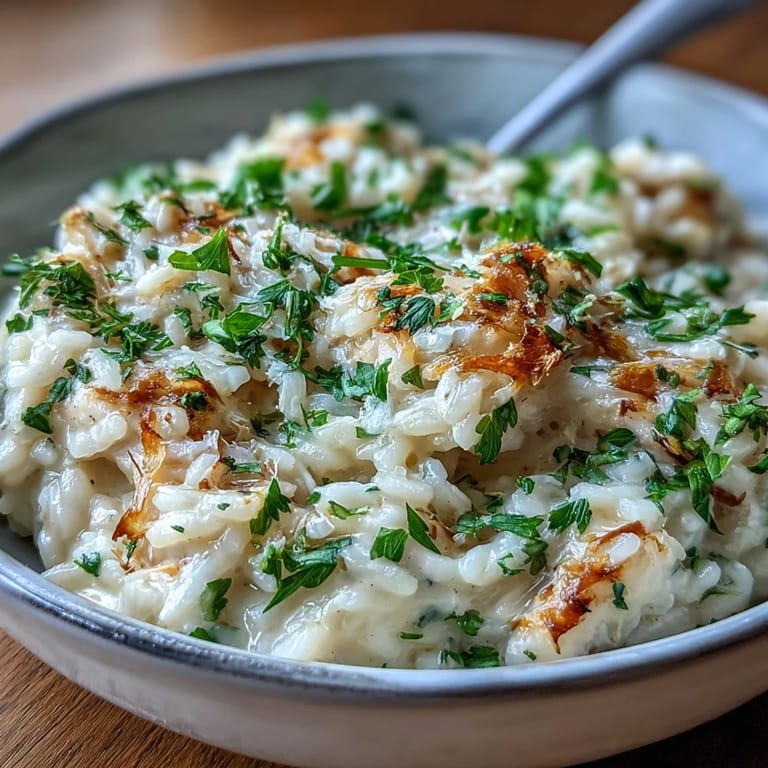
 There's something about the smell of smoked haddock poaching in milk that stops me mid-conversation every time. My neighbor leaned over the fence one afternoon while I was making this, and the aroma was so inviting she asked for the recipe right there on the spot. That's when I realized this risotto isn't just comfort food—it's the kind of dish that makes people pause and pay attention. The delicate fish mingles with creamy Arborio rice in a way that feels both elegant and deeply warming, like someone understood exactly what your kitchen needed that day.
I made this for my parents on a rainy Sunday, and my dad—who usually picks at fish—went back for seconds without saying a word. That quiet satisfaction, the way he kept eating while reading the paper, told me everything. It became our go-to when we wanted something that felt special but didn't require a production in the kitchen, and now it's the first thing they ask for when they visit.
Ingredients
- Smoked haddock fillets (350g, undyed, skinless): Undyed haddock keeps the risotto looking pale and elegant rather than yellow, and poaching it in milk is the secret to extracting maximum flavor while keeping the fish delicate and tender.
- Whole milk (500ml): This becomes your poaching liquid and then the risotto's first flavor layer, so don't skimp on quality—it makes a genuine difference.
- Fish or vegetable stock (700ml, hot): Keep it simmering in another pot while you cook, as cold stock interrupts the risotto's creamy development and slows things down.
- Arborio or Carnaroli rice (300g): These short-grain varieties release starch gradually, creating that signature creamy texture without turning mushy, which is exactly what you want here.
- Medium onion, finely chopped: This is your flavor foundation—take the 30 seconds to chop it properly because it dissolves into sweetness as it cooks.
- Garlic (2 cloves, minced): Mince finely so it distributes evenly and doesn't overpower the delicate fish.
- Leek, white part only, thinly sliced: Leeks add a gentle, sweet onion flavor that won't compete with the haddock, unlike regular onions.
- Unsalted butter and olive oil (2 tbsp each): Together they create the ideal medium for sautéing—butter for flavor, oil for stability at higher heat.
- Parmesan cheese, freshly grated (50g): Always grate it fresh because pre-grated cheese contains anti-caking agents that make your risotto grainy instead of silky.
- Flat-leaf parsley, lemon zest, black pepper, sea salt: These finishing touches brighten everything and prevent the risotto from tasting heavy, so don't skip them even if you're in a hurry.
Tired of Takeout? 🥡
Get 10 meals you can make faster than delivery arrives. Seriously.
One email. No spam. Unsubscribe anytime.
Instructions
- Poach the haddock gently:
- Place the smoked haddock in a saucepan with the whole milk and bring to a gentle simmer—not a rolling boil, which toughens the fish. After 5 to 7 minutes when the fish flakes easily with a fork, lift it out with a slotted spoon and set it on a plate to cool slightly, then break it into large, rustic pieces and reserve that silky poaching milk.
- Build your flavor base:
- Heat the olive oil and butter together in your largest, heaviest pan over medium heat, then add the chopped onion, sliced leek, and minced garlic. Sauté for about 5 minutes, stirring occasionally, until everything is soft and smells absolutely wonderful but hasn't taken on any color—you want sweetness here, not browning.
- Toast the rice:
- Stir the rice into the aromatics and let it cook for 1 to 2 minutes, stirring constantly, until the grains look slightly translucent around their edges. This step, called toasting, seals the outside and helps the rice release starch gradually rather than all at once.
- Introduce the poaching milk:
- Pour in the reserved poaching milk and stir frequently until it's almost completely absorbed by the rice. This seems like a small step, but you're already infusing every grain with haddock flavor before you even add the stock.
- Add stock gradually and stir mindfully:
- Add the hot stock one ladle at a time, stirring frequently and waiting until each addition is mostly absorbed before adding the next—this takes about 20 minutes total and is where the magic happens. The constant stirring coaxes starch from the rice, creating that creamy emulsion you can't replicate by rushing or ignoring it.
- Fold in the fish and final touches:
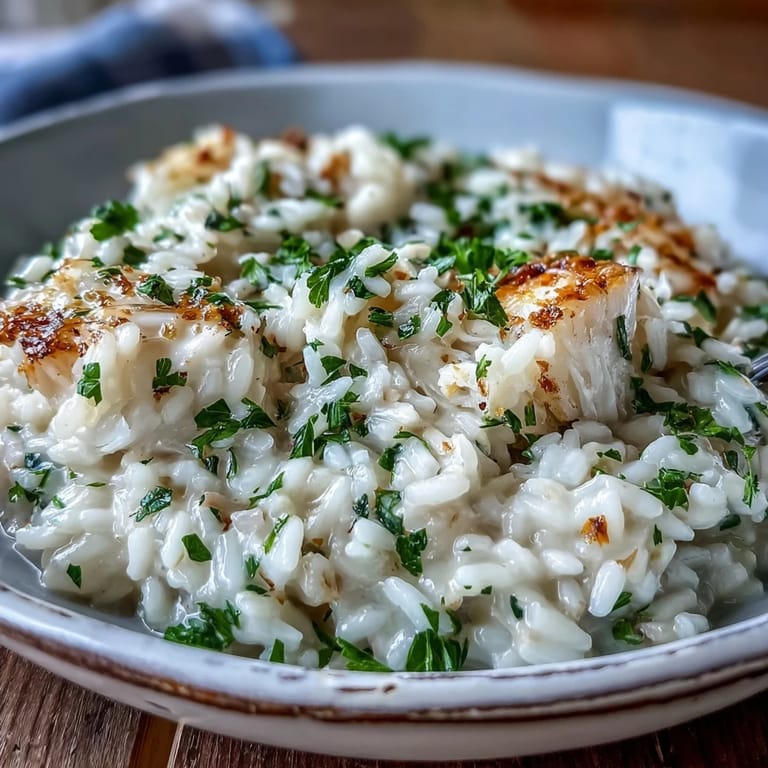
- When the rice is creamy and still has a slight bite to it, gently fold in the flaked haddock, freshly grated Parmesan, lemon zest, and chopped parsley. Taste and adjust seasoning with black pepper and sea salt, and if you want extra richness, add a final knob of butter and stir until it disappears.
- Rest and serve:
- Take the pan off the heat, cover it loosely, and let everything settle for 2 minutes—this allows the risotto to reach its creamiest consistency. Divide into warm bowls and serve immediately while it's still flowing on the plate.
 Pin it
 I'll never forget watching someone taste this risotto for the first time and their expression shift from polite to genuine surprise. They weren't expecting something so elegant to come from such humble ingredients, and somehow that moment made me understand why I keep coming back to this dish—it's not just food, it's a small proof that simplicity done right can feel like a gift.
The Soul of Smoked Fish in Risotto
Smoked haddock works differently in risotto than smoked salmon or other fish because its flavor is subtle and refined rather than assertive. The smoke is there, whispering rather than shouting, which means it plays beautifully with the Parmesan and lemon instead of overwhelming them. I learned this by accident when I first tried smoked mackerel in the same recipe and nearly ruined a dinner party—the flavor was too forward, too insistent. Smoked haddock taught me that restraint in cooking is sometimes more powerful than boldness.
Why Constant Stirring Matters
The first time I made risotto, I thought the constant stirring was exaggeration—culinary theater to make home cooks feel like they were doing something important. Then I ignored the instruction and stepped away for five minutes to answer a phone call, and came back to rice that was splitting and separating instead of creaming. That mistake taught me that stirring isn't busywork; it's communication between you and the rice, a conversation about texture and consistency that can't happen if you're not paying attention.
Making It Your Own
This recipe is a foundation, not a prison, and some of my best kitchen discoveries have come from small variations on this base. I've swapped the leek for spring onions on nights when I wanted something lighter, added a splash of dry vermouth instead of plain stock for unexpected depth, and even stirred in a spoonful of crème fraîche at the very end when I had it on hand. The dish is forgiving enough to accommodate your mood and whatever good ingredients you have waiting in your kitchen.
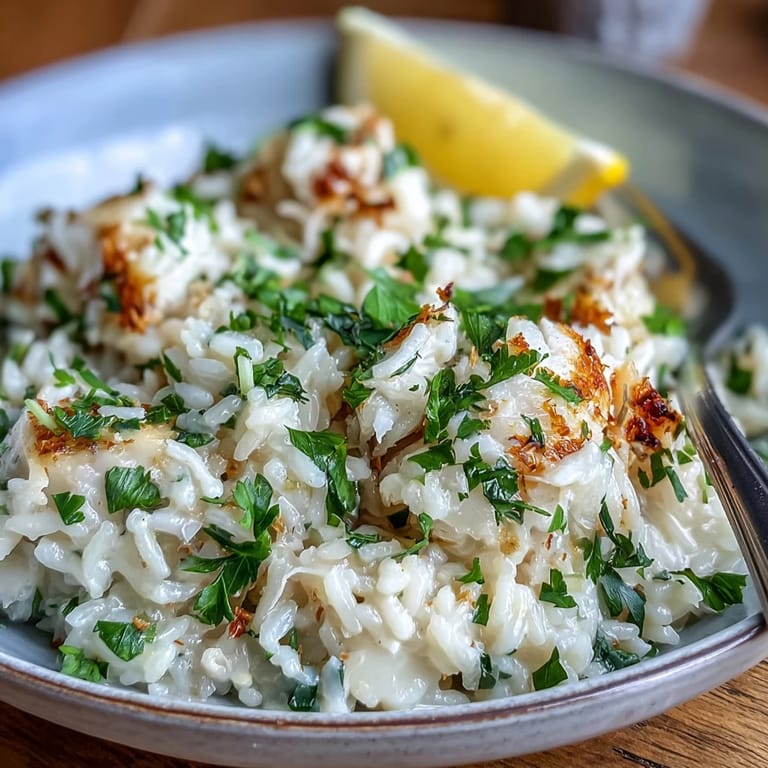
- A squeeze of fresh lemon juice right before serving brightens everything and keeps the risotto from tasting one-dimensional.
- If you can't find undyed smoked haddock, use what you can find—the recipe still works, just with a different visual presentation.
- Serve with a crisp white wine like Sauvignon Blanc or dry Riesling, which cuts through the richness and complements the smoke beautifully.
 Pin it
 This risotto is proof that you don't need complicated techniques or a long ingredient list to create something that tastes thoughtful and complete. Make it once and you'll understand why it keeps appearing on my table, especially on evenings when I want to feel like I've done something kind for the people I'm feeding.
Recipe FAQs
- → Can I use fresh haddock instead of smoked?
Yes, but you'll lose the distinctive smoky flavor that defines this dish. Consider adding a pinch of smoked paprika or using smoked sea salt to compensate for the missing depth.
- → What type of rice works best for this risotto?
Arborio or Carnaroli rice are ideal choices as they release starch gradually during cooking, creating the signature creamy texture. Avoid long-grain rice as it won't achieve the same consistency.
- → How do I prevent the fish from breaking apart?
Poach the haddock gently at a low simmer rather than a rolling boil, and flake it into large chunks. Add the fish at the very end of cooking and fold it in carefully to maintain its texture.
- → Can this dish be made ahead of time?
Risotto is best served immediately for optimal creaminess. However, you can poach the fish and prepare the aromatics in advance, then cook the rice fresh when ready to serve.
- → What wine pairs well with smoked haddock risotto?
A crisp Sauvignon Blanc or dry Riesling complements the smoky, creamy flavors beautifully. The wine's acidity cuts through the richness while enhancing the delicate fish notes.
- → How can I make this dish dairy-free?
Replace the milk with unsweetened almond or oat milk for poaching, use nutritional yeast instead of Parmesan, and substitute olive oil for butter. The texture will be lighter but still delicious.