 Pin it
 The first time I made miso broth, I stood over the pot convinced I'd ruined it. The paste wouldn't dissolve, I kept whisking until my arm ached, and what I ended up with was a clumpy, disappointing mess. Three attempts later, someone finally told me the secret: take the pot off the heat first. That tiny change turned everything around, and now this bowl is the one my friends request when they're feeling under the weather or just need something that tastes like a warm hug.
Last winter, my sister came over after a terrible week at work. She took one sip of this broth and actually closed her eyes, exhaling like she'd been holding her breath for days. We ate in comfortable silence at the counter, steam rising between us, and when she finally spoke, she said this was exactly what she didn't know she needed. Now she calls it her reset button soup.
Ingredients
- 1 pound boneless chicken thighs or breasts: Thighs stay juicier in the broth, but breasts work if that's what you have on hand
- 1 tablespoon white miso paste: This fermented soybean paste is the soul of the dish, don't skip it
- 1 tablespoon low-sodium soy sauce: Adds depth without overwhelming the delicate miso flavor
- 1 tablespoon rice vinegar: Cuts through the richness and brightens everything
- 1 tablespoon honey or maple syrup: Balances the salty elements and helps the chicken caramelize
- 1 teaspoon grated fresh ginger: Fresh is non-negotiable here, the powdered stuff won't give you that warmth
- 1 clove garlic, minced: One clove is plenty, you don't want it to overpower the miso
- 1 teaspoon toasted sesame oil: A little goes a long way, this is pure aroma in a bottle
- 6 ounces soba noodles or whole wheat spaghetti: Soba has that nutty flavor that plays beautifully with miso
- 4 cups low-sodium chicken broth: Low-sodium lets you control the salt level since miso is already salty
- 1 cup water: Prevents the broth from becoming too intense
- 1 tablespoon white miso paste: This second tablespoon goes into the broth itself
- 1 cup shiitake mushrooms, sliced: Their earthiness grounds the lighter flavors
- 1 medium carrot, julienned: Adds sweetness and that pretty orange color
- 2 cups baby bok choy, trimmed and halved: Baby bok choy is sweeter and more tender than mature bunches
- ½ cup snow peas, ends trimmed: They stay crisp even in hot broth, giving you something to crunch
- 2 cups baby spinach or kale: Wilts instantly in the hot broth and adds nutritional heft
- 2 soft-boiled eggs, halved: The runny yolks create an extra creamy element
- 2 scallions, thinly sliced: Use both the white and green parts for different layers of flavor
- 1 teaspoon toasted sesame seeds: Toast them yourself in a dry pan for maximum fragrance
- 1 tablespoon chopped fresh cilantro or parsley: Either works, depending on what you prefer
- 1 sheet nori, cut into thin strips: Totally optional, but adds that restaurant-style presentation
- Chili oil or Sriracha: For serving, if you like heat
Tired of Takeout? 🥡
Get 10 meals you can make faster than delivery arrives. Seriously.
One email. No spam. Unsubscribe anytime.
Instructions
- Marinate the chicken:
- Whisk together miso paste, soy sauce, rice vinegar, honey, ginger, garlic, and sesame oil until completely smooth. Add the chicken and turn to coat, then cover and refrigerate for at least 30 minutes or up to 8 hours.
- Cook the noodles:
- Bring a large pot of water to boil and cook soba noodles according to package directions until just al dente. Drain, rinse thoroughly under cold water, and toss with a few drops of sesame oil so they don't stick together.
- Sear the chicken:
- Heat a grill pan or skillet over medium-high heat, shake excess marinade off the chicken, and cook for 4 to 5 minutes per side. The internal temperature should reach 165°F, then let it rest for 5 minutes before slicing into thin strips.
- Build the broth:
- In a clean soup pot, bring chicken broth and water to a gentle simmer, then remove from heat and whisk in the remaining tablespoon of miso paste until fully dissolved.
- Add the vegetables:
- Return the pot to low heat and add mushrooms, carrots, bok choy, and snow peas. Simmer for 3 to 4 minutes until just tender, then stir in spinach and remove from heat immediately.
- Assemble the bowls:
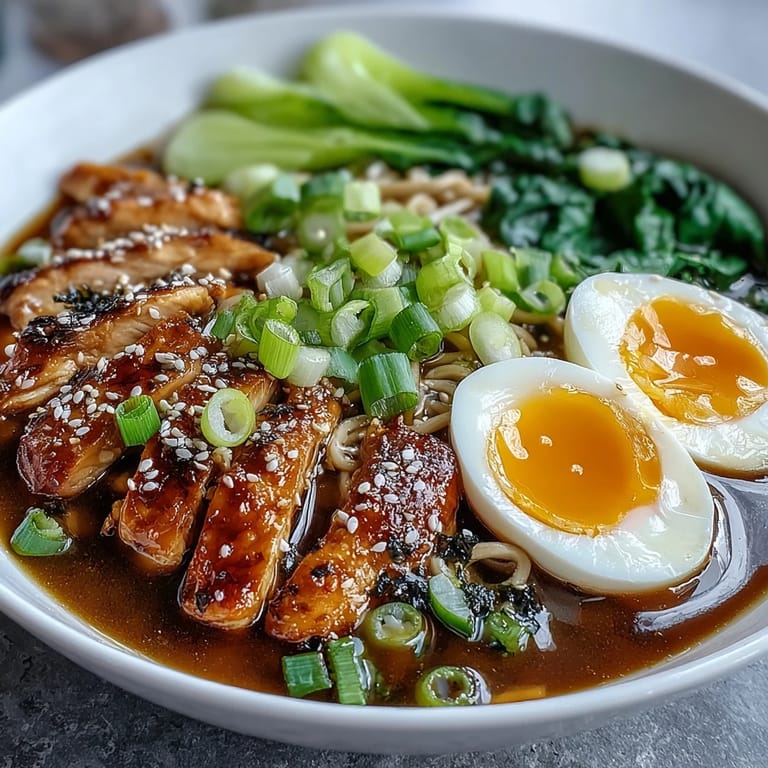
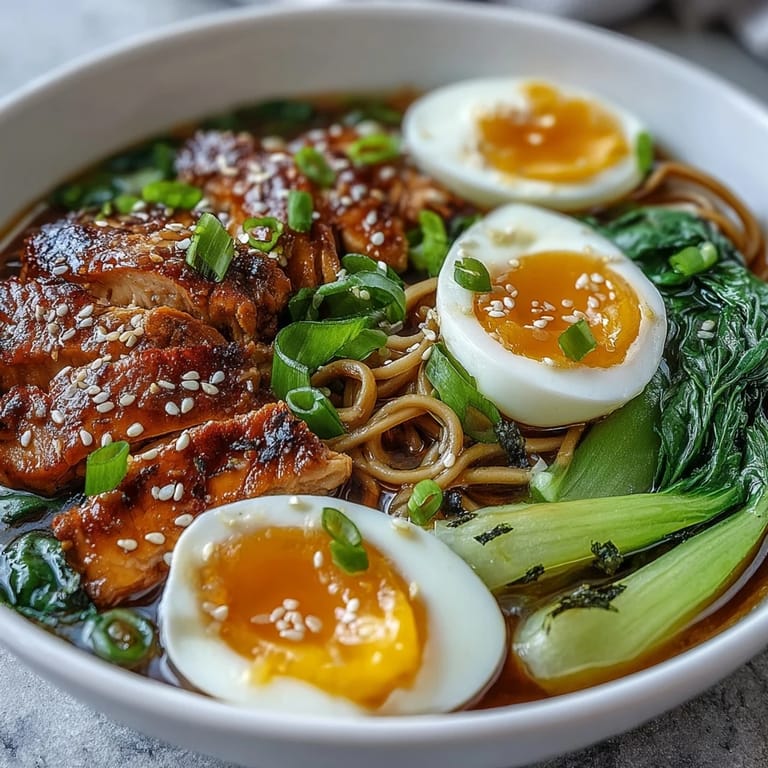
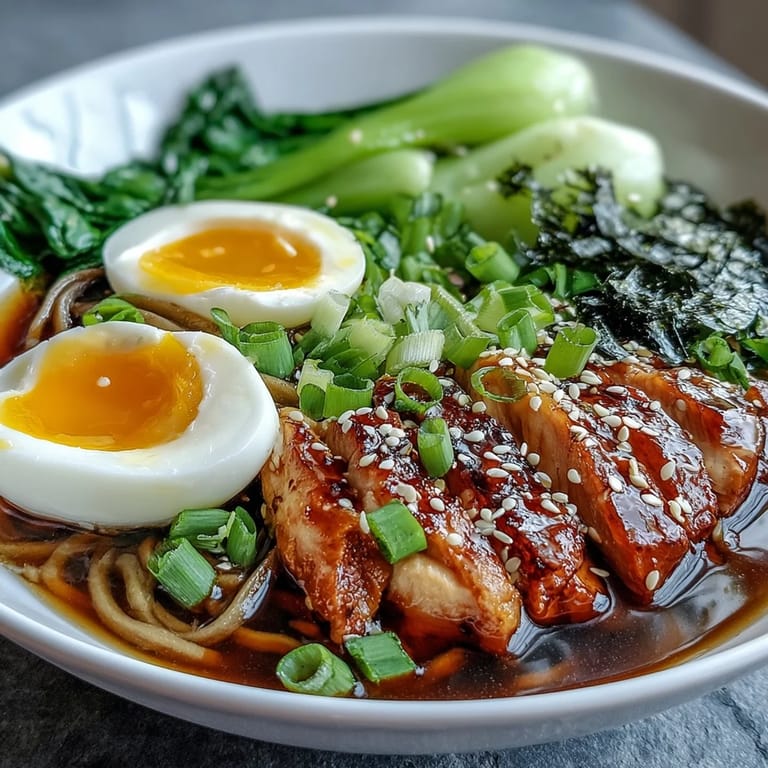
- Divide noodles between two bowls, arrange sliced chicken on top, and ladle hot broth and vegetables over everything. Top with egg halves, scallions, sesame seeds, cilantro, and nori strips. Serve with chili oil on the side.
 Pin it
 My partner initially turned up their nose at the idea of soup for dinner, calling it insufficient. After one bowl of this, they asked if we could have it every Tuesday night. There's something about the combination of chewy noodles, tender chicken, and that deeply savory broth that just makes people feel taken care of.
Making It Your Own
Once you've made this a few times, you'll start seeing opportunities to tweak it. Sometimes I add a splash of coconut milk for creaminess, or throw in some edamame for extra protein. The beauty of this recipe is that it's forgiving, almost like it wants you to experiment.
Timing Everything Right
The biggest mistake I made early on was cooking everything too far ahead. The noodles would absorb all the broth and turn to mush. Now I prep all my components separately and only combine them at the very last minute. The contrast between hot broth and room-temperature toppings makes each spoonful more interesting.
Leftover Strategy
If you're meal prepping this, store the broth separately from the noodles and chicken. Reheat the broth until steaming, then pour it over the other components right before eating. This simple habit changed my leftovers from disappointing to almost as good as the first night.
- Soft-boiled eggs are best made fresh, but you can store them peeled in cold water for a day
- The broth actually tastes better the next day as the flavors continue to meld
- If noodles seem stuck after refrigeration, rinse them quickly under warm water and they'll separate
 Pin it
 This recipe started as a way to use up random vegetables and somehow became the most requested meal in my household. Hope it brings you the same warmth it's brought us.
Recipe FAQs
- → Can I make this dish suitable for vegetarians?
Yes, absolutely. To create a vegetarian version, simply swap the chicken with firm or extra-firm tofu, pressed and marinated in the same blend. Ensure you use a quality vegetable broth instead of chicken broth for the base.
- → What are some alternative vegetables I can use?
This dish is quite versatile. Feel free to substitute or add other vegetables like broccoli florets, edamame, snap peas, bell peppers, or even Napa cabbage. Adjust cooking times based on the hardness of the vegetables.
- → How can I prevent the noodles from becoming soggy if preparing ahead?
For the best texture, store the cooked noodles separately from the broth and toppings. When ready to serve, quickly reheat the broth and then combine the warm broth and vegetables with freshly added noodles and chicken in individual bowls.
- → Is it important to marinate the chicken?
Marinating the chicken is highly recommended as it infuses it with deep savory and umami flavors, making the chicken tender and more delicious. Aim for at least 30 minutes, but for an even richer taste, you can marinate it overnight.
- → What type of noodles work best if soba isn't available?
While soba noodles offer a unique texture and flavor, you can substitute them with whole wheat spaghetti, ramen noodles, or even rice noodles for a gluten-free option. Ensure to cook them according to package directions until al dente.
- → Can this meal be made gluten-free?
Yes, to make it gluten-free, use 100% buckwheat soba noodles or other gluten-free noodles. Also, replace soy sauce with tamari, which is a gluten-free alternative, and ensure all other packaged ingredients are certified gluten-free.