 Pin it
 Saturday mornings at my aunt's kitchen always smelled like fresh herbs and possibility. She'd pull whatever vegetables looked perky from her garden and toss them into a cast-iron skillet with eggs, creating these golden, fluffy frittatas that somehow made everyone feel nourished and celebrated at once. The first time I made one myself, I was surprised by how forgiving the whole process felt, how the oven did most of the heavy lifting while I sipped coffee and watched the magic happen.
I made this for my book club last spring, and honestly, the moment people realized they could eat it warm or room temperature meant they'd already grabbed seconds before I finished plating. One friend asked for the recipe right there at the table, and I realized that a good frittata is the kind of dish that makes you look effortlessly put-together while requiring almost no pretense or stress.
Ingredients
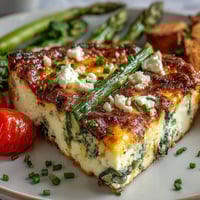
- Asparagus: Fresh spring asparagus brings a gentle bitterness that balances the richness of eggs and feta beautifully; trim those woody ends or the texture suffers.
- Baby spinach: It wilts down so dramatically that a cup becomes almost invisible, so don't hold back on the volume.
- Cherry tomatoes: These little bursts of sweetness prevent the whole thing from feeling too savory; halving them helps them cook through without turning to mush.
- Zucchini: Dice it small so it actually gets tender in the time you have; larger chunks stay firm and take away from the texture.
- Red onion: The slight sharpness cuts through everything else beautifully, and finely chopping it means it cooks down into sweet submission.
- Eggs: Use the biggest eggs you can find because you need the volume and richness; smaller eggs won't bind everything together as confidently.
- Milk or dairy-free alternative: This isn't essential but makes the frittata creamy rather than dense; use what you have on hand.
- Feta cheese: Crumbled feta adds salty punctuation marks throughout, though you can absolutely swap in goat cheese or another favorite.
- Fresh parsley and chives: These aren't just garnish; they brighten the whole dish with a grassy note that makes it feel springy and alive.
- Salt, black pepper, and red pepper flakes: Build your seasoning gradually as you cook so you don't oversalt the vegetables in their early stages.
- Olive oil: Good quality matters here since it's one of the few ingredients doing heavy lifting; use something you'd actually taste.
Tired of Takeout? 🥡
Get 10 meals you can make faster than delivery arrives. Seriously.
One email. No spam. Unsubscribe anytime.
Instructions
- Get your oven ready:
- Preheat to 375°F and let it come to temperature while you prep; a properly heated oven is what gives you that golden, set-but-still-creamy center.
- Build your flavor base:
- Heat olive oil in your oven-safe skillet over medium heat, then add red onion and let it soften for a couple minutes until it becomes translucent and sweet. You're not looking for color here, just the softer, sweeter version of raw onion.
- Cook your vegetables strategically:
- Add asparagus and zucchini with a pinch of salt, stirring occasionally for 3 to 4 minutes until they're just tender; this matters because they'll continue cooking in the oven and you don't want mush. Then stir in spinach and cherry tomatoes, cooking just long enough for the spinach to collapse, about a minute or two.
- Whisk your egg mixture:
- In a separate bowl, whisk together eggs, milk, salt, black pepper, and red pepper flakes until completely combined and pale; don't skip this step because it ensures even cooking throughout. Taste the mixture and adjust seasoning if needed, though remember the feta will add saltiness.
- Bring it together:
- Pour the egg mixture evenly over your vegetables, then scatter feta, parsley, and chives across the top. Let it cook on the stovetop for 2 to 3 minutes just until the edges begin to set and pull away from the sides of the pan.
- Transfer to the oven:
- Carefully move your skillet to the oven and bake for 10 to 12 minutes until the center is set but still slightly jiggly in the very middle when you gently shake the pan. The residual heat keeps cooking it after you pull it out, so don't wait for it to be completely firm or it'll be rubbery.
- Rest and serve:
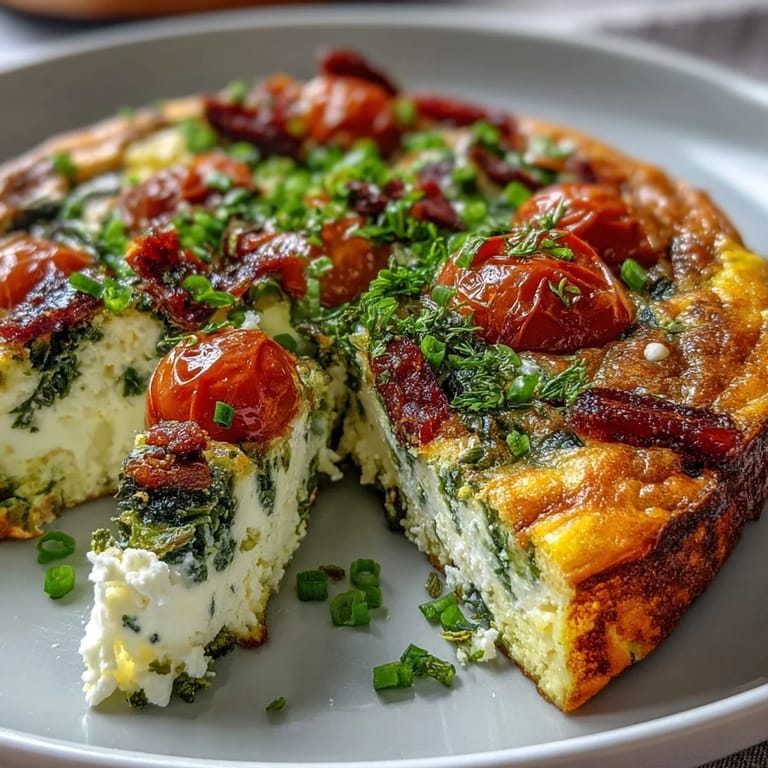
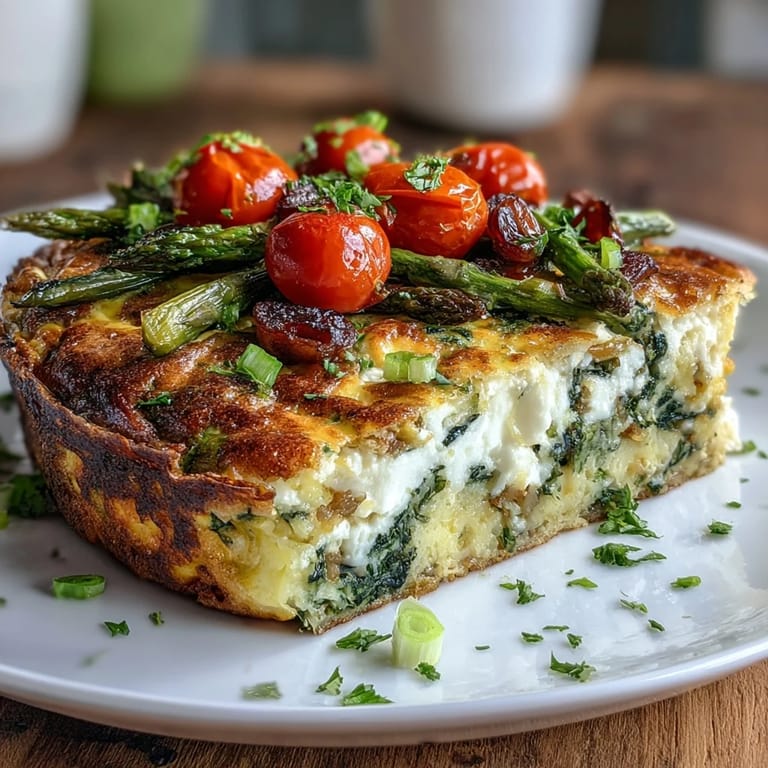
- Let it cool for a few minutes so it holds together when you cut, then slice into wedges and serve warm, at room temperature, or even cold the next day from the fridge.
 Pin it
 There's something almost meditative about how a frittata comes together, how individual vegetables become something greater than their sum. My neighbor once called it "the breakfast that tastes like garden," which felt like the highest compliment I could receive.
Making It Your Own
The beauty of a frittata is that it's genuinely flexible; whatever vegetables look good at your market or are sitting in your crisper work beautifully here. Leeks become silky when cooked this way, peas add pops of sweetness, mushrooms bring earthiness, and bell peppers add brightness. I've even thrown in leftover roasted broccoli or cauliflower from the night before and it absolutely works. The only rule I follow is to make sure everything is roughly the same size so it cooks evenly, and to avoid anything too watery unless you plan to drain it first.
Feeding Different Diets
For dairy-free versions, swap in your favorite plant-based milk and use dairy-free feta or simply omit it entirely; nutritional yeast adds a cheesy depth if you want that flavor. The vegetables themselves are the star, so the absence of cheese doesn't leave a void. I've also made this with egg alternatives when friends needed it, though the texture shifts from creamy to slightly more custardy, which honestly isn't a bad thing.
Serving and Storage Ideas
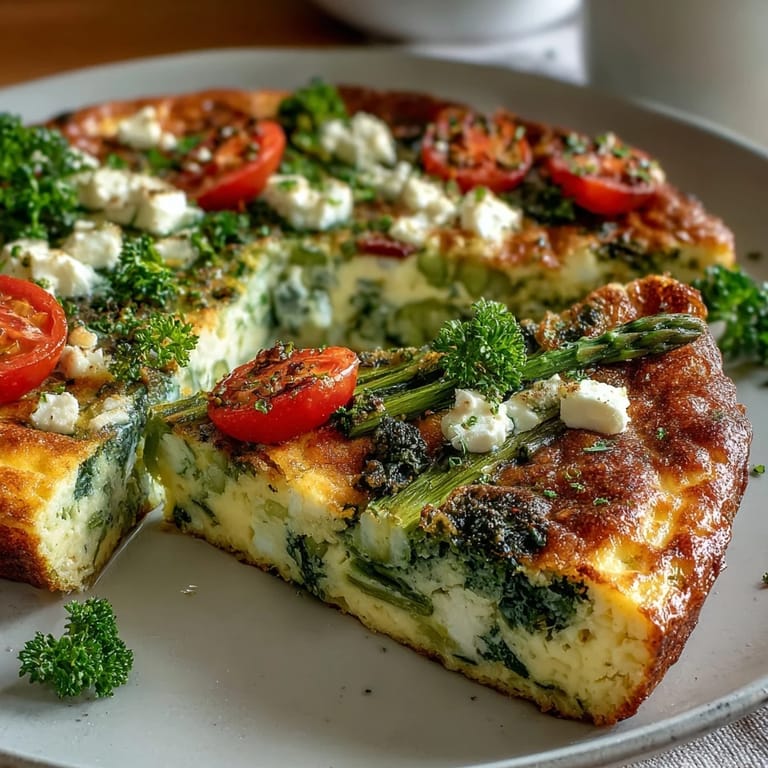
Serve this warm with crusty bread and a simple green salad, or eat it cold straight from the fridge as tomorrow's quick lunch. It keeps beautifully for three days covered in the refrigerator, and reheats gently in a 300-degree oven without drying out. It's also unexpectedly good at room temperature, which makes it perfect for picnics or when you're eating on the run.
- A crisp Sauvignon Blanc pairs beautifully if you're making this for brunch entertaining.
- Leftovers slice cleanly if you wait until they're completely cool, so don't force it while warm.
- You can prep all your vegetables the night before and store them in separate containers, making morning cooking genuinely effortless.
 Pin it
 This frittata has become my go-to when I want to feel accomplished without fussing, and more importantly, it's the kind of dish that makes everyone who eats it feel seen. Make it once and you'll understand why it keeps showing up on my table.
Recipe FAQs
- → What vegetables work well in this frittata?
Asparagus, baby spinach, cherry tomatoes, zucchini, and red onion provide a fresh spring flavor, but peas or leeks are great seasonal alternatives.
- → Can I make it dairy-free?
Yes, use plant-based milk and substitute feta with a dairy-free cheese to keep it flavorful and creamy.
- → How should I cook the vegetables before baking?
Sauté the onions until soft, then cook the asparagus, zucchini, and a pinch of salt until tender, followed by spinach and tomatoes until wilted before adding the eggs.
- → What is the best pan to use for this dish?
A 10-inch oven-safe skillet works best for even cooking and easy transfer from stovetop to oven.
- → Can this dish be served cold or reheated?
It can be enjoyed warm, at room temperature, or gently reheated without losing texture and flavor.