 Pin it
 There's something almost magical about the moment you crack open a guava and see those pale pink seeds nestled in the creamy flesh. I discovered guava preserves by accident, really—a friend left a jar on my counter after visiting from Puerto Rico, and I spread it on buttered toast one foggy morning without much expectation. The flavor was so bright and tropical it transported me instantly, and I became obsessed with learning to make it myself. Now, every time I smell that distinctive guava aroma bubbling on the stove, I'm reminded that some of the best kitchen adventures start with curiosity and a willingness to try something unfamiliar.
I made my first batch for a dinner party on a whim, nervous I'd somehow ruin the whole thing, and my guests were genuinely stunned when I told them I'd made it that morning. One person actually asked if I'd been holding out on a secret artisanal skill all along, which made me laugh so hard I nearly knocked over my wine glass. That moment taught me that homemade preserves carry a kind of magic that store-bought versions simply can't match—people taste the care in every spoonful.
Ingredients
- Ripe guavas (1.5 kg or about 10–12 medium): The foundation of everything, and ripeness is non-negotiable—a ripe guava yields slightly to pressure and smells almost floral, while an underripe one will make your preserve taste harsh and thin.
- Granulated sugar (700 g): This isn't just sweetener; it acts as a natural preservative and helps set the jam by drawing out the guava's natural pectin, so don't skip it or substitute without understanding the consequences.
- Fresh lemon juice (2 tablespoons): A small squeeze that brightens the tropical sweetness and adds the acidity needed for proper gel formation and longer shelf life.
- Water (1 cup): The canvas that allows the guavas to soften evenly and release their flavor; too little and you'll have a scorched mess, too much and you'll be cooking for hours.
Tired of Takeout? 🥡
Get 10 meals you can make faster than delivery arrives. Seriously.
One email. No spam. Unsubscribe anytime.
Instructions
- Prepare your guavas with care:
- Wash them under cool water, then quarter each one and scoop out the seeds with a spoon—this takes patience, but save every scrap of flesh because that's where the flavor lives. You'll notice the seeds come free easily from ripe fruit, which is your signal that you chose well.
- Soften the fruit gently:
- Combine the guava flesh with water in a large saucepan and bring to a rolling boil before immediately turning the heat down to a gentle simmer. Watch for about 15 to 20 minutes as the fruit breaks down into tender pieces that mash easily under light pressure.
- Break down and refine:
- Mash the softened guavas with a potato masher if you prefer texture, or blend briefly for something smoother—there's no wrong choice here, just different moods for different days. Then press the entire mixture through a fine sieve or food mill, which separates the silky pulp from stubborn seed particles and gives you that luxurious consistency.
- Combine and begin the transformation:
- Return the strained pulp to your saucepan, add the sugar and lemon juice, and stir until everything dissolves together. The mixture will look thin and unpromising at this stage, but trust the process.
- Coax it to the perfect consistency:
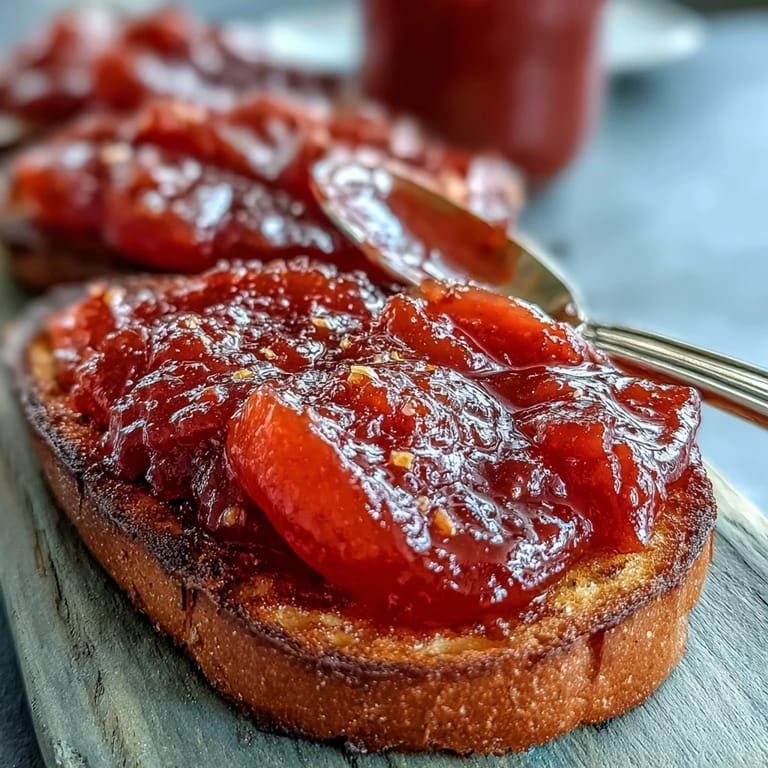
- Bring everything to a vigorous boil over medium-high heat, stirring constantly so nothing sticks to the bottom and burns. After about 35 to 45 minutes of simmering, you'll notice the color deepens to a burnished pink and the texture shifts from liquid to something with real body.
- Test for doneness like a pro:
- Drop a small spoonful onto a chilled plate from the refrigerator and wait a few seconds—if the surface wrinkles when you push it with your finger, your preserve has set perfectly. If it still flows like syrup, give it another 5 minutes and test again.
- Jar and seal for safekeeping:
- Skim away any foam that's collected on the surface, then carefully pour the hot preserve into sterilized glass jars, leaving exactly half a centimeter of space at the top. Seal immediately while the heat is still working in your favor, and let everything cool completely before storing in the refrigerator for up to three months.
 Pin it
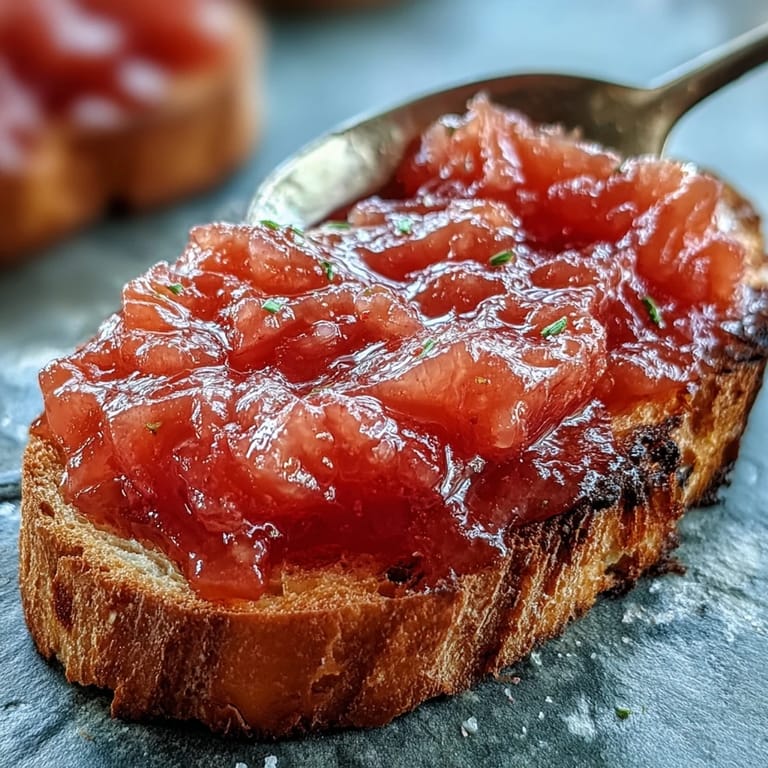
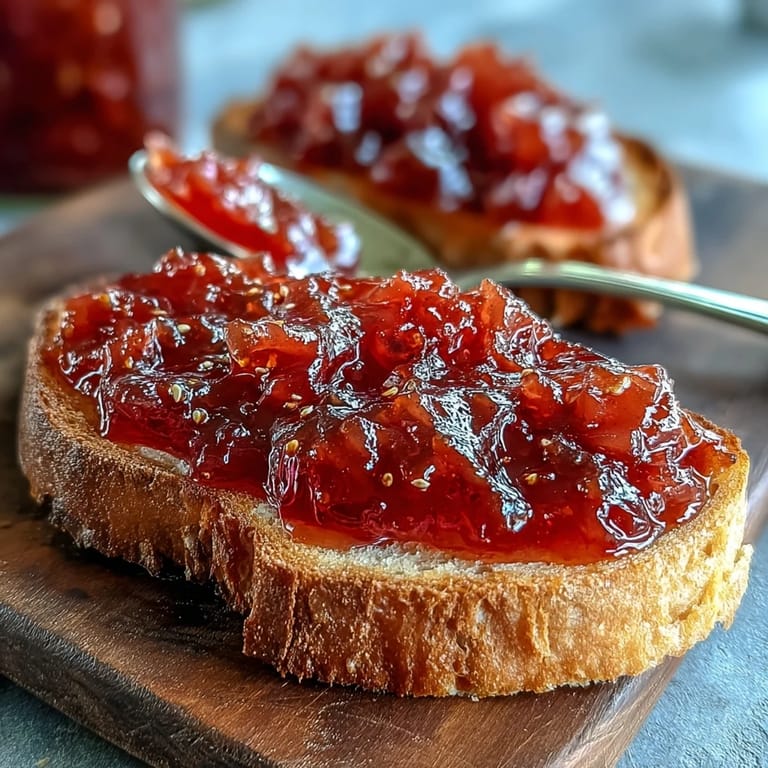
 My neighbor knocked on my door one afternoon because she'd smelled the guava cooking and couldn't figure out where that incredible tropical aroma was coming from. We ended up sharing tea and warm preserve on fresh bread while sitting on my porch, and that simple moment reminded me that food is really just an excuse to connect with people we care about. That's when preserve-making stopped being about technique and started being about generosity.
Why This Preserve Works Every Time
The beauty of guava is that it's naturally pectin-rich, meaning it wants to set without any additives or special ingredients—you're just working with the fruit's own chemistry. I've watched people overthink preserve-making, adding powders and following complicated charts, when really guavas handle most of the heavy lifting themselves. Once you understand that simple equation of ripe fruit, sugar, heat, and time, you'll realize you can apply it to almost any fruit that comes your way.
Customizing Your Preserve
If you want your preserve chunky and rustic, reserve some of the softened guava pieces before pressing through the sieve and fold them back in at the end—this gives you texture and visual appeal that smooth preserves miss. You can also experiment with honey instead of some of the sugar if you're chasing different flavor notes, though this changes the set slightly and requires a tiny bit of patience. The beauty is that once you've made it once, you know the dance, and you can start improvising with confidence.
Beyond the Toast
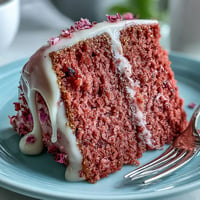
Spread this preserve between two butter cookies for an elegant little cookie, swirl it into vanilla yogurt for an instant breakfast that feels fancy, or use it as a filling for a basic sponge cake that becomes suddenly sophisticated. I've even warmed it with a splash of rum and spooned it over vanilla ice cream on hot summer nights when we needed something cool but indulgent. This isn't just breakfast condiment territory; it's your secret ingredient for desserts that taste like they came from a professional kitchen.
- Pair with a sharp aged cheddar or manchego on a cheese board for an unexpectedly delicious combination.
- Brush it over baked ham or roasted duck in the last few minutes of cooking for a tropical glaze that impresses everyone.
- Store an extra jar in a cool dark place so you always have something homemade to gift when you need to bring a little brightness to someone's day.
 Pin it
 Making guava preserves is one of those quiet kitchen victories that stays with you—the kind where you end up with something beautiful and delicious that's entirely your own creation. Once you've done it once, you'll find yourself making it over and over, each batch a little more confident than the last.
Recipe FAQs
- → How do I know when the preserves are ready?
Test by placing a small amount on a chilled plate. If it wrinkles when pushed with your finger, it has reached the proper setting consistency. This usually takes 35–45 minutes of simmering.
- → Can I make these preserves with less sugar?
Yes, you can reduce the sugar amount, though this may affect the final texture and preservation time. For best results, use at least 60% of the recommended sugar to ensure proper setting and shelf stability.
- → What's the best way to serve guava preserves?
These preserves shine when paired with sharp cheeses like cheddar or manchego on a cheese board, spread on warm toast or biscuits, used as a filling for pastries and thumbprint cookies, or swirled into yogurt for breakfast.
- → Do I need to remove all the seeds?
For smooth preserves, yes—pressing through a fine sieve or food mill removes all seeds and tough bits. If you prefer more texture, reserve some softened fruit pieces before sieving and fold them back into the finished mixture.
- → How long will these preserves keep?
Properly stored in sterilized jars and kept refrigerated, these preserves will stay fresh for up to three months. For longer storage at room temperature, process jars in a boiling water bath following canning safety guidelines.
- → Can I use frozen guavas instead of fresh?
Yes, frozen guavas work well. Thaw completely before starting, and be aware they may release more water during cooking, potentially extending the simmering time slightly to reach proper thickness.