 Pin it
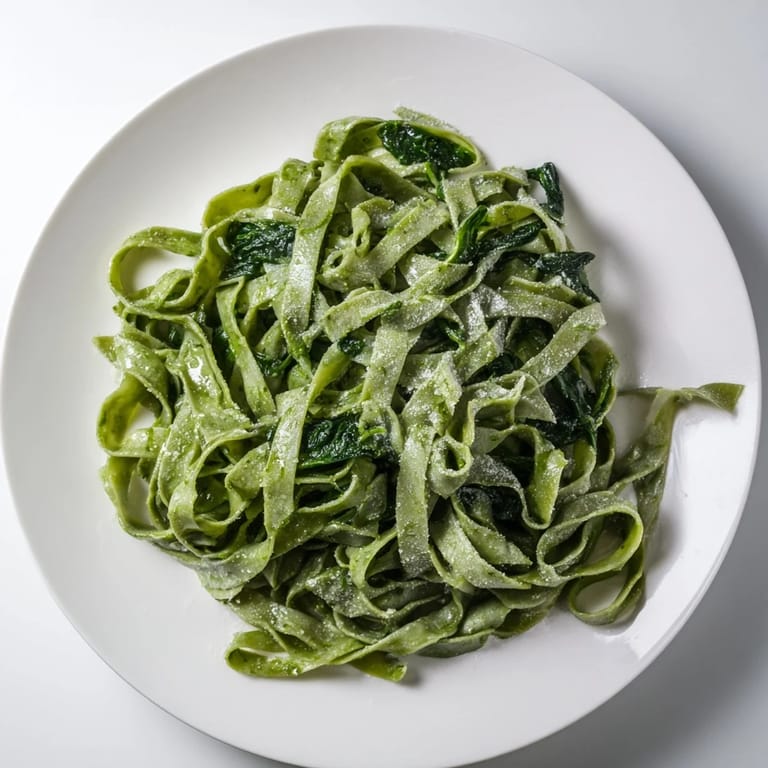
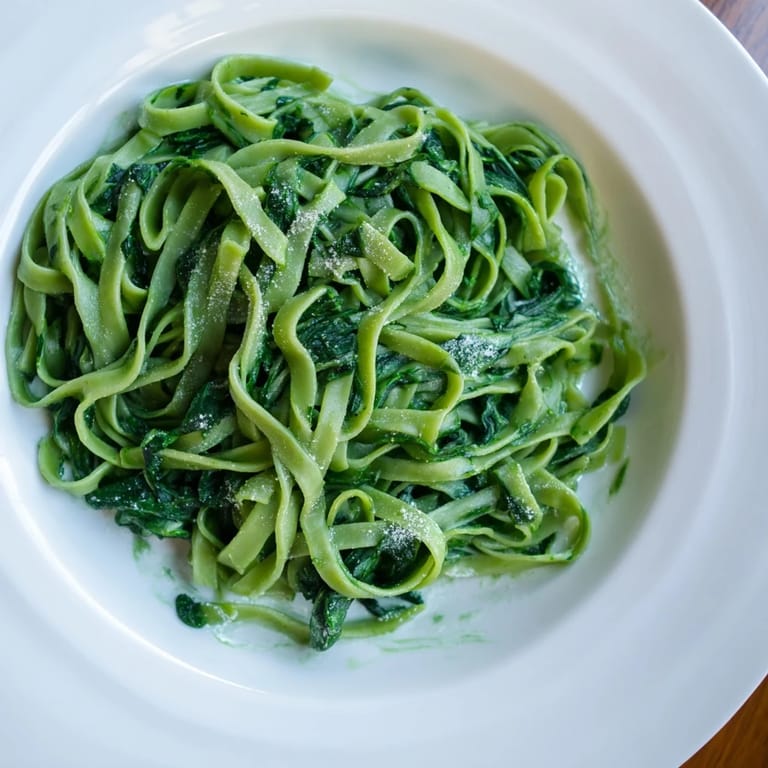
 The first time I made green pasta, my kitchen looked like a crime scene. Spinach everywhere, flour dusted on every surface, and me wondering if pasta making was worth the mess. But then I bit into that first strand of homemade fettuccine, vibrant and tender, and suddenly the chaotic cleanup seemed like a small price to pay. Now it is one of those recipes I pull out when I want to impress someone without actually having to try too hard.
Last spring, my neighbor came over with a massive bag of spinach from her garden and said figure something out. I turned it all into pasta dough, and we spent the afternoon rolling out sheets of green dough on my dining table, drinking wine and talking about everything. That pasta became dinner for four families that night.
Ingredients
- Fresh Baby Spinach: The baby leaves are more tender and blend into a smoother puree than mature spinach. Squeeze out every drop of water after blanching or your dough will be sticky and sad.
- Italian 00 Flour: This finely ground flour creates the silkiest pasta texture. If you cannot find it, all-purpose flour works but the pasta will be slightly chewier.
- Semolina Flour: Adds a nice texture and helps the pasta hold its shape better. Totally optional but worth it if you are making ravioli that needs structural integrity.
- Eggs: Room temperature eggs incorporate more evenly into the flour. Take them out of the fridge about twenty minutes before starting.
- Fine Sea Salt: Enhances the spinach flavor without making the dough taste salty. Coarse salt will leave weird gritty spots in your smooth pasta.
Tired of Takeout? 🥡
Get 10 meals you can make faster than delivery arrives. Seriously.
One email. No spam. Unsubscribe anytime.
Instructions
- Blanch the Spinach:
- Boil a pot of water, drop in the spinach for thirty seconds until it wilts completely. Drain it, rinse under cold water, and squeeze it in your fists until no more water comes out. This step is tedious but crucial.
- Make the Puree:
- Chop the spinach finely or blitz it in a food processor until it is paste-like. The smoother the puree, the more uniform your pasta color will be.
- Create the Well:
- Mound your flours and salt on a clean counter, using your fist to make a deep well in the center. Pour the spinach and eggs into this crater.
- Combine Gradually:
- Use a fork to whisk the eggs and spinach together, slowly pulling in flour from the edges. Keep going until you have a shaggy, chaotic mixture that barely holds together.
- Knead the Dough:
- Knead by hand for eight to ten minutes until the dough becomes smooth and elastic. It should feel like play dough, bouncing back when you press it.
- Let It Rest:
- Wrap the dough tightly in plastic and let it sit at room temperature for thirty minutes. The gluten needs this relaxation time or the dough will fight back when you try to roll it thin.
- Roll and Shape:
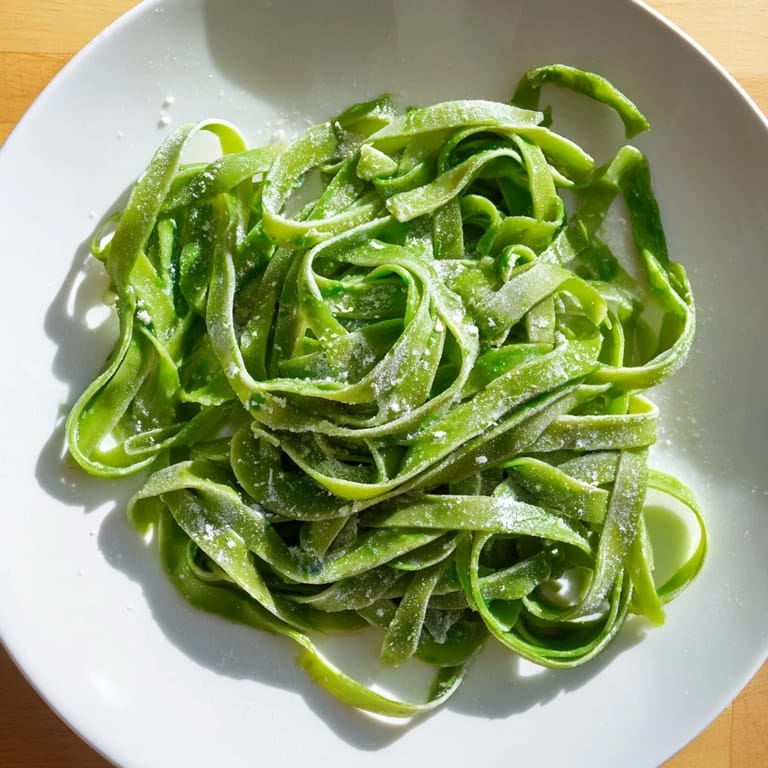
- Roll the dough through your pasta machine or with a rolling pin until you can see your hand through it. Cut into whatever shape your heart desires.
- Cook Quickly:
- Fresh pasta cooks in one to two minutes in salted boiling water. Watch it like a hawk, it goes from perfect to mushy in seconds.
 Pin it
  Pin it
 My daughter now requests this pasta for her birthday dinner every year. She says it feels fancy, but really it is just me, flour everywhere, feeling like an Italian grandmother for one evening a year.
Getting the Right Consistency
The dough should feel smooth and slightly tacky, like a baby is bottom. If it is too dry, it will crack when you roll it out. If it is too wet, it will stick to everything and refuse to let go. Trust your hands more than the exact measurements.
Rolling Without a Machine
You do not need fancy equipment. A rolling pin and some patience work perfectly fine. Roll the dough out, then fold it like a letter and roll again. Repeat this process several times to develop the gluten structure before rolling it to your final thinness.
Storage and Make-Ahead Tips
Uncooked pasta can be frozen in nests for up to three months. Dust them with semolina so they do not stick together, freeze on a tray first, then transfer to bags.
- Cook frozen pasta directly in boiling water, no thawing needed
- Dried fresh pasta keeps for two days at room temperature
- Label your freezer bags or you will forget what is what
 Pin it
  Pin it
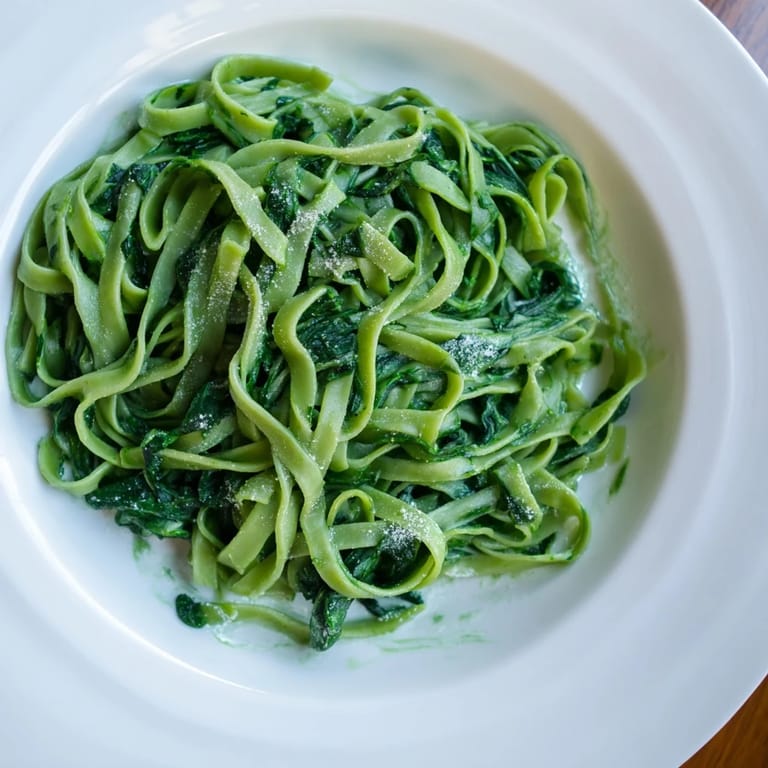
 There is something deeply satisfying about eating food you made with your own hands, especially when it looks this beautiful. Enjoy every bite.
Recipe FAQs
- → Can I make spinach pasta dough without a food processor?
Absolutely. Finely chop blanched spinach with a knife, then mash it into a puree using a fork or potato masher before incorporating it into the flour mixture.
- → How long can I store fresh spinach pasta dough?
Wrap dough tightly in plastic and refrigerate for up to 24 hours. For longer storage, freeze shaped pasta for up to 3 months—cook directly from frozen, adding 1-2 minutes to boiling time.
- → Why is my pasta dough too sticky or dry?
Humidity and flour absorption vary. If sticky, sprinkle extra flour 1 tablespoon at a time while kneading. If dry, add water drops until the dough becomes smooth and elastic.
- → Can I use frozen spinach instead of fresh?
Yes, but thaw completely and squeeze out excess liquid thoroughly. Frozen spinach contains more water, so you may need slightly less than the fresh amount specified.
- → What's the purpose of semolina flour in this dough?
Semolina adds texture and creates a slightly firmer dough that holds shapes better during cooking. It's optional but recommended for ravioli or stuffed pasta varieties.
- → How thin should I roll the spinach pasta?
For filled pasta like ravioli, roll to setting 6-7 on most machines. For fettuccine or tagliatelle, setting 5-6 works well. The dough should be translucent enough to see your hand through it.