 Pin it
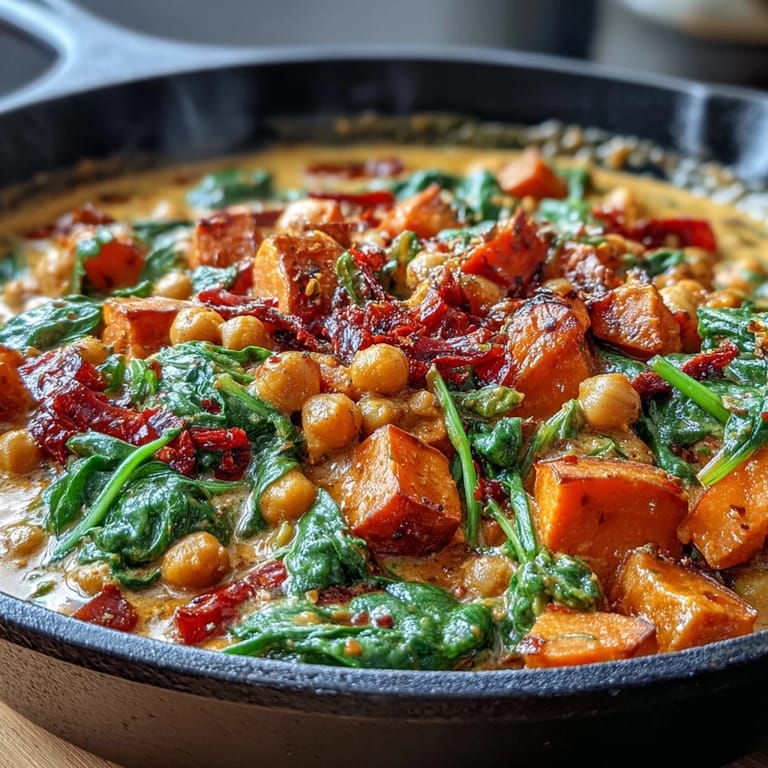
 One Tuesday evening, my kitchen filled with the most intoxicating blend of turmeric and coconut as I stirred together this curry without a real plan, just what felt right. A friend had left some fresh ginger on my counter weeks earlier, and watching it dissolve into golden oil finally made sense. The sweet potato's natural sweetness against those warm spices created something I kept tasting between bites, unable to stop adding another spoonful to my bowl. This became the meal I make when I need comfort but don't want to spend hours cooking, when the house needs to smell like something hopeful.
I made this for my roommate on a rainy Saturday when she came home looking completely defeated by the week, and her whole face changed the moment she smelled it cooking. She sat at the counter asking questions about each ingredient while steam rose between us, and somehow we ended up talking about everything that mattered. By the time we ate, the curry had worked its quiet magic, turning an ordinary afternoon into something neither of us wanted to end.
Ingredients
- Sweet potato: The heart of this dish, it softens into creamy tenderness while releasing subtle sweetness that prevents the curry from tasting one-dimensional—always peel and cut into small enough pieces so they cook evenly.
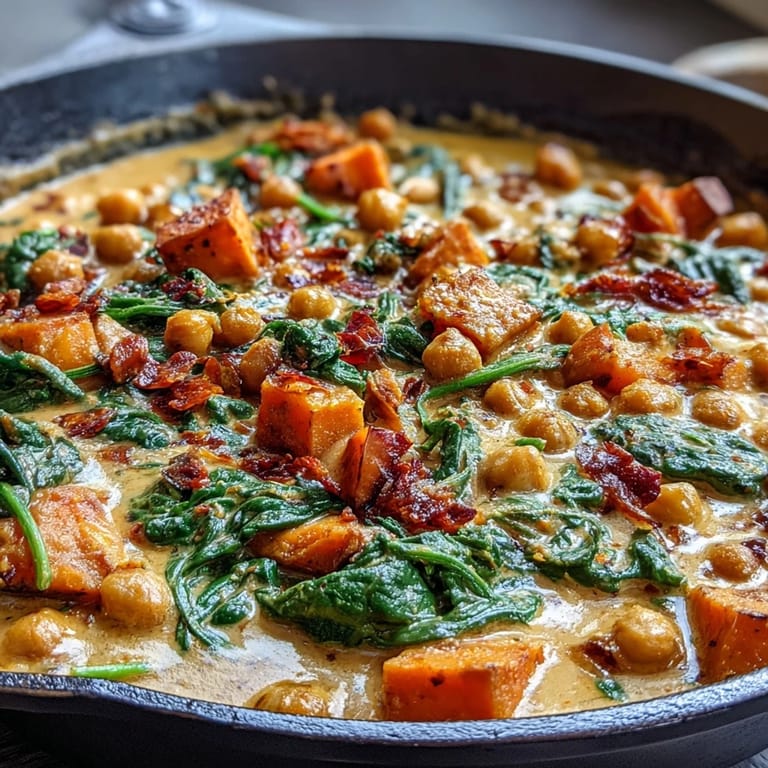
- Coconut milk: Full-fat is essential here; it's what makes this silky and rich, and the thin stuff just won't deliver the same luxurious mouthfeel.
- Fresh ginger and garlic: These two create the flavor foundation that makes everything taste less like a recipe and more like someone who knows what they're doing made it for you.
- Chickpeas: They add protein and a satisfying texture, and rinsing them well removes that metallic taste that haunts so many canned legumes.
- Curry powder, cumin, and turmeric: This spice trio is forgiving and warm; even if your measurements aren't perfect, the dish will taste intentional and aromatic.
- Spinach: Added at the very end so it stays bright and maintains some structure rather than turning into an unrecognizable mush.
- Lime juice: The final whisper that brings everything into focus, making you taste each component more clearly.
Tired of Takeout? 🥡
Get 10 meals you can make faster than delivery arrives. Seriously.
One email. No spam. Unsubscribe anytime.
Instructions
- Start with heat and oil:
- Warm your skillet over medium heat until a drop of water sizzles slightly, then add the coconut oil and let it warm for just a moment. You want the oil shimmering, not smoking.
- Build your flavor base:
- Add the chopped onion and listen for that gentle sizzle; stir every minute or so until it turns translucent and softens, which takes about three to four minutes. When it smells sweet and mellow, you're ready for the next step.
- Bloom the aromatics:
- Add the garlic and ginger and stir constantly for exactly one minute—this releases their essential oils and makes everything that follows taste deeper and more complete. You'll smell it transform, becoming more rounded and less sharp.
- Toast the spices:
- Add the curry powder, cumin, turmeric, cayenne if you like heat, salt, and pepper directly to the vegetables and stir to coat everything evenly. The spices will smell incredible as they warm in the oil, and this toasting step means they won't taste dusty or raw.
- Introduce the liquid:
- Pour in the coconut milk and broth, stirring well to combine everything into a cohesive sauce. Bring it to a gentle simmer—not a rolling boil, which can break down the sweet potato unevenly.
- Let it simmer:
- Cover the skillet and let it cook for twelve to fifteen minutes, stirring occasionally, until the sweet potato pieces are completely tender when pierced with a fork. The sauce will thicken slightly and deepen in color.
- Add the chickpeas:
- Stir them in and cook uncovered for about five minutes so they warm through and absorb some of the coconut flavor. They should taste like they belong here, not like they were just dumped in.
- Wilt the spinach:
- Add the chopped spinach and stir gently until it's completely wilted, which takes just two to three minutes. The heat is enough; you don't want to cook it further.
- Finish with brightness:
- Remove from heat and squeeze in the fresh lime juice, then taste and adjust salt, pepper, or spice as needed. This final squeeze transforms everything, pulling all the flavors into focus.
 Pin it
 This curry taught me that sometimes the most nourishing meals are the ones that require the least fussing, where you can stand at the stove and breathe in the aromas while your mind settles. It's become my answer to Monday nights, to when groceries are sparse, to when I need something that feels both exotic and deeply familiar.
Variations That Work
I've tested this recipe with everything from butternut squash to regular potatoes, and while the sweet potato is irreplaceable for its sweetness, you can absolutely adapt around it. Tofu or tempeh crumbled in adds another layer of protein if you want something more substantial, and I've discovered that kabocha squash gives a similar richness without the earthiness of other winter squashes. The real flexibility comes in the greens—kale takes longer to wilt but holds its texture beautifully, while Swiss chard adds an almost mineral quality that pairs wonderfully with the coconut.
Pairing and Serving
This curry is endlessly accommodating about what comes alongside it, though I keep coming back to basmati rice because it's subtle enough not to compete with the aromatic spices. Quinoa works if you want something lighter, and naan transforms the meal into something more celebratory, letting you scoop and soak up the sauce. I've also served it over cauliflower rice on nights when I wanted something less starchy, and the contrast actually highlights how flavorful the curry itself is.
Storing and Reheating
This curry tastes even better the next day once the flavors have gotten to know each other, and it stores beautifully in the refrigerator for up to four days in an airtight container. When reheating, do it gently over medium heat with a splash of water or broth to loosen the sauce, and taste as you go since the spices can intensify slightly after sitting. It also freezes well, though I find myself making it so often that it rarely makes it to the freezer—it's the kind of meal that disappears quickly.
- Make a double batch and enjoy the ease of having it ready for rushed evenings.
- Store and freeze portions separately if you think you might forget how satisfying this is.
- Let it come to room temperature before freezing so condensation doesn't create ice crystals.
 Pin it
 This meal has become my quiet insistence that cooking doesn't have to be complicated to be nourishing, that you can feed yourself and others something that feels like a gift using just one pan and twenty minutes. I hope it becomes something you make often, the way I do.
Recipe FAQs
- → How can I adjust the spice level?
Modify the amount of cayenne pepper or curry powder to suit your preferred heat, reducing or omitting for milder flavors.
- → Can I substitute the spinach with other greens?
Kale or Swiss chard work well as alternatives, adding different textures and flavors while maintaining the dish's nutrition.
- → What can I use instead of coconut milk?
For a lighter option, try almond or cashew milk, but be aware it may alter the creamy texture and flavor slightly.
- → Is this suitable for a gluten-free diet?
Yes, the dish contains naturally gluten-free ingredients; just ensure any broth or spices used are certified gluten-free.
- → Can I add extra protein to this dish?
Adding cubed tofu or tempeh is a great way to boost protein content while keeping the plant-based profile intact.