 Pin it
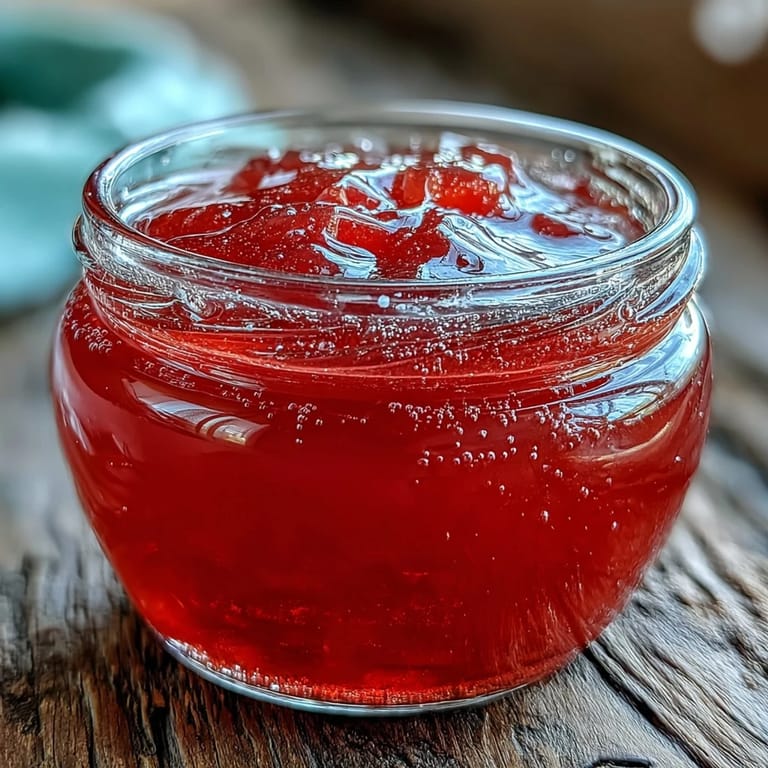
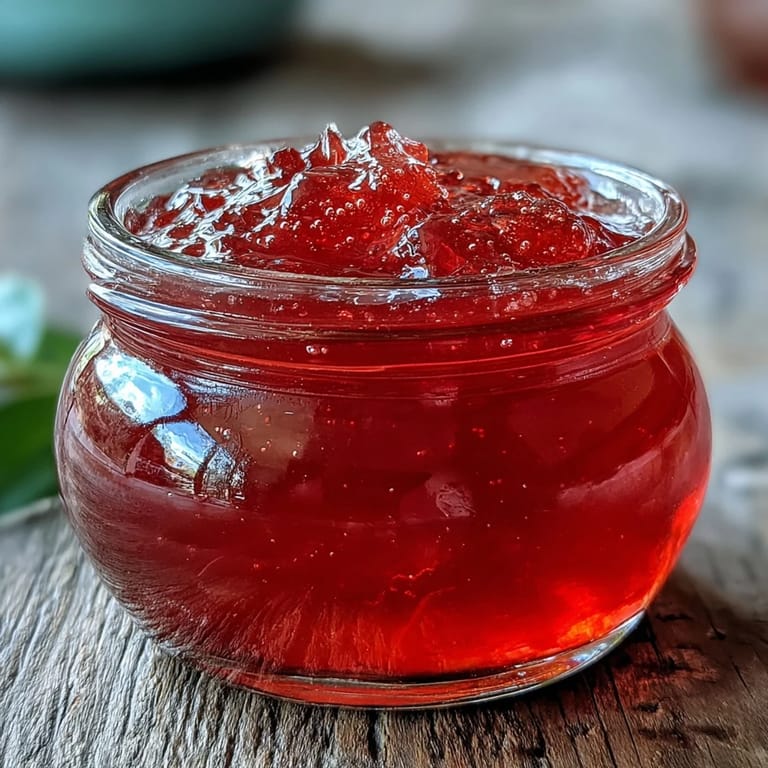
 Experience the tropical essence of ripe guavas with this vibrant, jewel-toned jelly. This homemade preserve captures a beautiful pink hue and a perfect spreadable consistency, making it a sophisticated addition to any breakfast table or dessert platter.
Pin it The process of slow-simmering and careful straining results in a clear, shimmering jelly that is as beautiful as it is delicious. Whether you are a seasoned preserver or a beginner, this method ensures a consistent, firm set every time.
Ingredients
Tired of Takeout? 🥡
Get 10 meals you can make faster than delivery arrives. Seriously.
One email. No spam. Unsubscribe anytime.
- Fruit: 1.5 kg (about 3.3 lbs) ripe guavas, 4 cups water
- Sweetener & Gelling: 4 cups granulated sugar, 2 tbsp lemon juice
Instructions
- Step 1
- Wash the guavas thoroughly. Cut them into quarters, leaving skins and seeds intact.
- Step 2
- Place guava pieces in a large saucepan. Add water and bring to a boil over medium heat.
- Step 3
- Reduce heat and simmer for 30 minutes, or until the fruit is very soft.
- Step 4
- Line a large strainer with a double layer of cheesecloth and set over a bowl. Pour the cooked fruit and liquid into the strainer. Let it drip undisturbed for at least 2 hours (or overnight) to extract clear juice. Do not press or squeeze, to keep the jelly clear.
- Step 5
- Measure the extracted juice. For each cup of juice, use 1 cup of sugar. Pour juice into a clean saucepan, add lemon juice, and stir in the sugar.
- Step 6
- Bring the mixture to a boil over high heat, stirring to dissolve the sugar.
- Step 7
- Boil rapidly until the mixture reaches gel stage (220°F/104°C on a candy thermometer), about 15–20 minutes. Skim off any foam.
- Step 8
- Test for doneness by placing a small spoonful of jelly on a cold plate. If it wrinkles when pushed, its ready.
- Step 9
- Pour hot jelly into sterilized jars, leaving 1/4-inch headspace. Seal immediately.
- Step 10
- Let cool completely before storing in a cool, dark place.
Zusatztipps für die Zubereitung
To achieve the clearest jelly possible, resist the urge to squeeze the fruit pulp while it strains through the cheesecloth. Gravity does the work for you, ensuring no cloudy solids pass through into your final preserve.
Varianten und Anpassungen
You can adjust the pectin levels naturally by using a mix of mostly ripe and a few slightly underripe guavas. The underripe fruit provides additional structure, ensuring a firm set even without added commercial pectin.
Serviervorschläge
This jelly is excellent for filling the centers of delicate thumbprint cookies or as a glossy glaze for fruit cakes. It is equally delicious spread generously over warm toast or flaky croissants for a tropical morning treat.
 Pin it
 Creating your own Guava Jelly is a rewarding way to preserve the vibrant flavors of the season. Once sealed and stored, these jars provide a sweet, tropical escape whenever you need a splash of flavor in your kitchen.
Recipe FAQs
- → How long does homemade guava jelly last?
Properly sealed and stored in a cool, dark place, unopened jars will remain fresh for up to 12 months. Once opened, refrigerate and consume within three weeks for best quality and flavor.
- → Why is my guava jelly cloudy instead of clear?
Cloudiness typically occurs when the fruit pulp is pressed or squeezed during straining. Allow the juice to drip naturally through cheesecloth without disturbing it. This patience rewards you with beautifully translucent preserves.
- → Can I use less sugar in this guava jelly?
Sugar serves as both sweetener and preservative while helping achieve proper gel consistency. Reducing sugar may affect setting and shelf life. For lower-sugar alternatives, consider commercial pectin designed specifically for reduced-sugar preserving.
- → What's the best way to test if the jelly is ready?
The cold plate test works wonderfully—spoon a small amount onto a chilled plate and wait 30 seconds. If the surface wrinkles when touched, it has reached the proper gel stage. A candy thermometer reading 220°F (104°C) also indicates readiness.
- → Should I use ripe or underripe guavas?
A mix of both works well. Underripe guavas contain more natural pectin, helping the jelly set properly. Ripe fruit provides sweetness and vibrant flavor. Combining them gives you the best of both worlds—excellent texture and tropical taste.