 Pin it
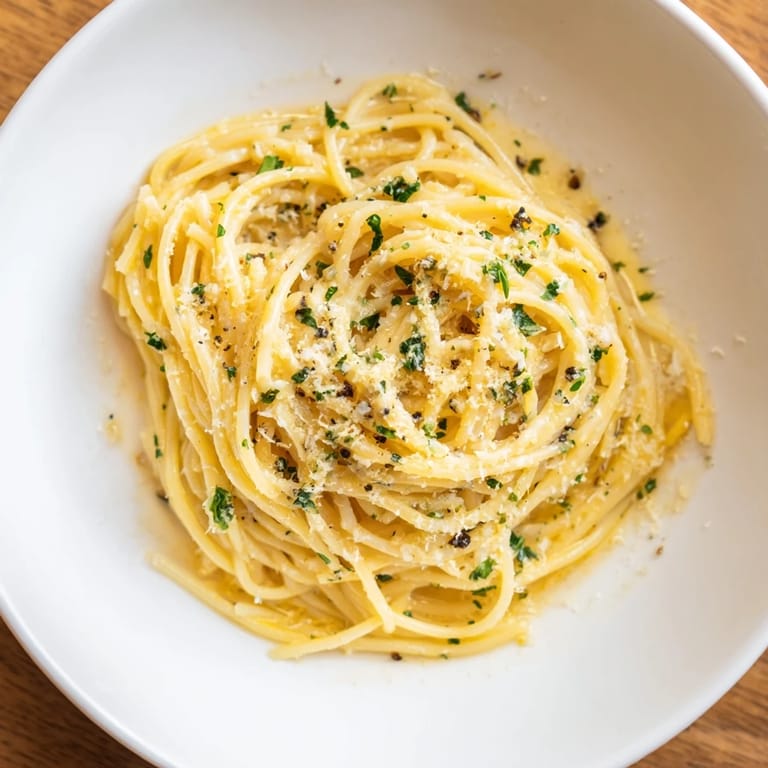
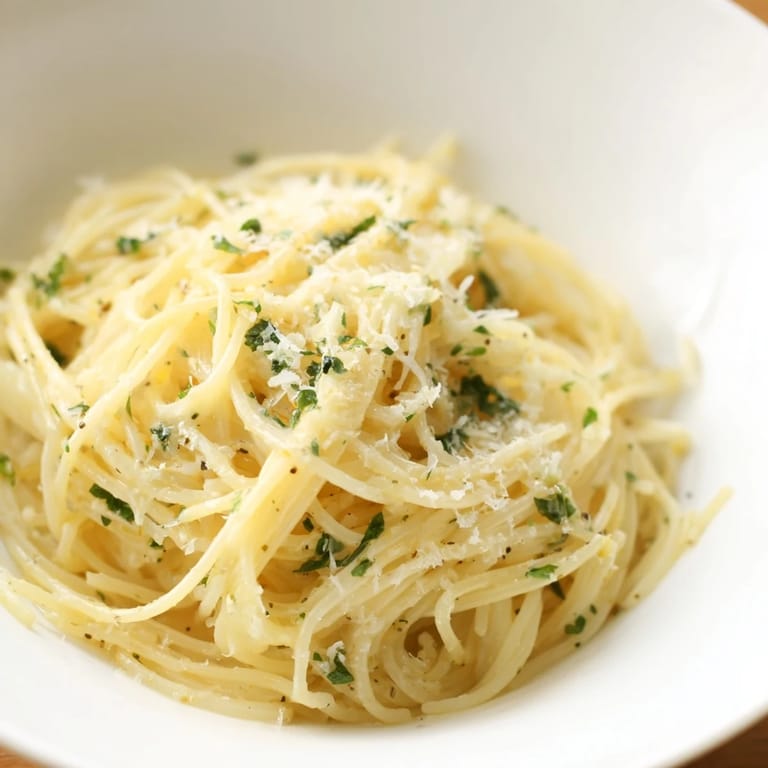
 There's something almost meditative about watching capellini strands tumble through boiling water—two minutes and they're done, delicate as silk. One weeknight, I was craving something bright and uncomplicated, so I grabbed a lemon, some butter, and whatever fresh herbs were lingering in my crisper drawer. The result was this dish: a whisper of a pasta that lets each element shine without apology. It's become my go-to when I want dinner on the table before the sun sets but still feel like I made something worth remembering.
I made this for my sister on a spring afternoon when she'd had a day that needed cheering up. She took one bite and got quiet for a moment—not in a bad way, just in that way people do when something tastes exactly right. She asked for the recipe immediately, which meant more than any compliment because she actually cooks. Now it's become our thing on days when we need to catch up without the weight of anything heavy.
Ingredients
- Capellini: Use the thinnest pasta you can find because those delicate strands will coat faster and more evenly with the sauce. Don't be tempted to grab thicker pasta thinking it's heartier—the whole point is that silky, almost liquid feeling.
- Unsalted butter: Four tablespoons is enough to build a luxurious sauce without drowning the pasta. Using unsalted gives you control over the salt, which matters when Parmesan joins the party.
- Lemons: Fresh juice makes all the difference, and the zest adds brightness that bottled lemon juice can't touch. Zest them before you cut them in half, it's easier.
- Reserved pasta water: This starchy liquid is the secret to silkiness—it helps the sauce cling to each strand instead of sliding off. Save it before you drain.
- Parmesan cheese: Grate it fresh from a block if you possibly can. Pre-grated cheese has cellulose in it, which keeps the sauce from being as smooth as it should be.
- Fresh herbs: Parsley, basil, and chives are the trio I reach for, but if you only have one or two, use more of those. Fresh herbs added at the very end keep their brightness and don't taste cooked out.
Tired of Takeout? 🥡
Get 10 meals you can make faster than delivery arrives. Seriously.
One email. No spam. Unsubscribe anytime.
Instructions
- Boil the pasta properly:
- Fill a large pot generously with water and salt it until it tastes like the sea. Add capellini once it's at a rolling boil and start tasting at two minutes—it should bend easily but still have a whisper of firmness in the center. Right before draining, scoop out that quarter cup of pasta water and set it aside like you're rescuing liquid gold.
- Wake the lemon zest in butter:
- Melt butter over medium heat and immediately add the zest, stirring constantly for just thirty seconds until your kitchen smells like a Mediterranean daydream. That brief cooking mellows the lemon slightly while it releases all its fragrant oils.
- Build the sauce:
- Add the lemon juice and pasta water to the buttery zest and let it bubble gently for a minute. This warm bath of liquid is where the magic happens—it's the foundation of everything that comes next.
- Marry the pasta and sauce:
- Tip the drained capellini into the skillet and toss gently but constantly, using pasta tongs or two forks to separate the strands as they coat. Watch how the sauce clings to the pasta, making it glossy and alive.
- Finish with cheese and seasoning:
- Scatter the Parmesan over everything and grind black pepper generously across the top, then toss for another minute or two until the cheese melts into the sauce and turns it creamy. If it looks too tight or oily, splash in a bit more pasta water until it coats smoothly.
- Add herbs and serve:
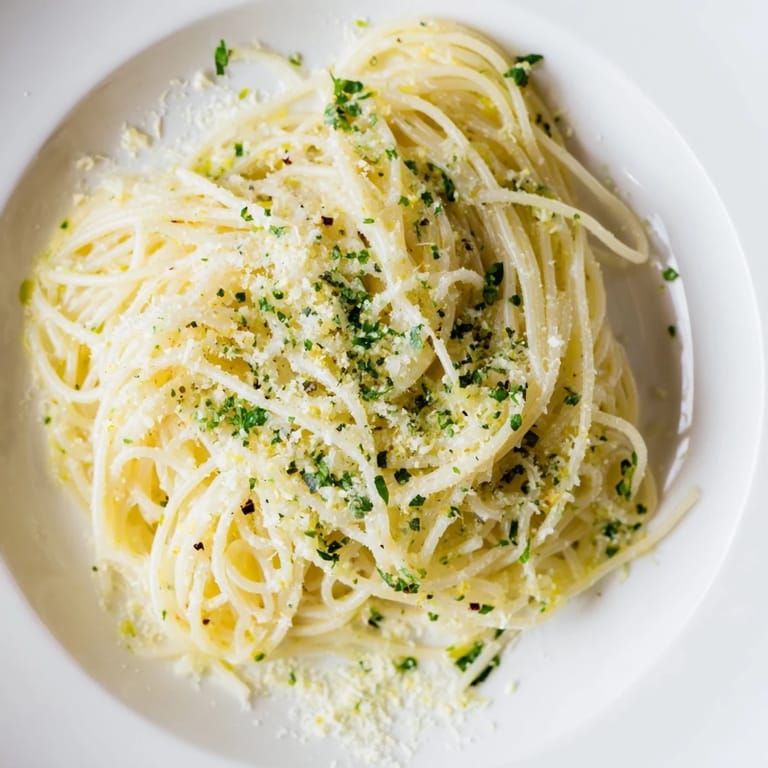
- Pull the pan off heat and scatter the fresh herbs across the top, folding them in gently so they stay green and vibrant. Serve immediately while everything is still steaming and bright.
 Pin it
 The best version of this dish happened on an evening when I had no pretense, no expectations. I made it in a ten-inch skillet with a kitchen window open to the cooling air, and I remember standing there with the warm bowl in my hands, just breathing in the lemon steam. It tasted like clarity in a bowl—simple, but somehow profound in the way only the best simple things can be.
Why Simplicity Works Here
This pasta proves that restraint is its own kind of skill. When you only have five or six flavors working, each one has to be excellent and perfectly balanced—you can't hide behind complexity or volume. The butter needs to be good, the lemon needs to be fresh, the herbs need to be alive in your hand when you pick them. There's nowhere to hide, which is exactly why this dish feels so honest and why it matters when you get it right.
Scaling and Variations
This recipe doubles beautifully if you're cooking for more people, though I'd make it in batches rather than trying to fit everything in one skillet. The sauce comes together so quickly that cooking in two pans takes barely any longer than cooking in one. I've also experimented with swapping the herbs—tarragon and dill give it an almost French feeling, while mint and oregano push it toward Greek. The bones of the recipe are strong enough to handle gentle exploration.
Serving and Storage
This dish is best eaten immediately, steaming and bright, but I've learned that the flavors actually deepen if you let leftovers sit for an hour before eating them cold the next day. It becomes something different—more composed, less ethereal, but still lovely. If you're saving it, toss it with a little extra lemon juice and olive oil before storing, because the pasta will continue to absorb sauce as it sits.
- Store any leftovers in an airtight container in the refrigerator for up to two days.
- To reheat, warm it gently in a skillet over low heat with a splash of water or broth to restore some moisture.
- Cold the next day, it makes a surprisingly good lunch tossed with a handful of peppery greens and a bit of olive oil.
 Pin it
 Sometimes the meals that matter most aren't the complicated ones. This pasta reminds me that a few perfect ingredients treated with respect and care can be just as meaningful as anything else. It's a dish that works every time, and that reliability is its own kind of beauty.
Recipe FAQs
- → What type of pasta is best for this dish?
Capellini, also known as angel hair pasta, works best due to its delicate texture and quick cooking time, which complements the light lemon sauce well.
- → How can I make the sauce creamier?
Adding a splash of reserved pasta water while tossing the pasta with the butter and lemon mixture helps create a silky, creamy sauce.
- → Can I substitute the fresh herbs?
Yes, parsley, basil, and chives give a fresh flavor, but you can experiment with tarragon or oregano for different herbal profiles.
- → Is it possible to prepare this dish without dairy?
Substitute butter with vegan alternatives and use a plant-based Parmesan to keep the rich flavor while avoiding dairy.
- → How do I ensure the pasta is perfectly cooked?
Cook capellini for 2–3 minutes until just al dente, then immediately drain and toss with the sauce to maintain texture and prevent overcooking.