 Pin it
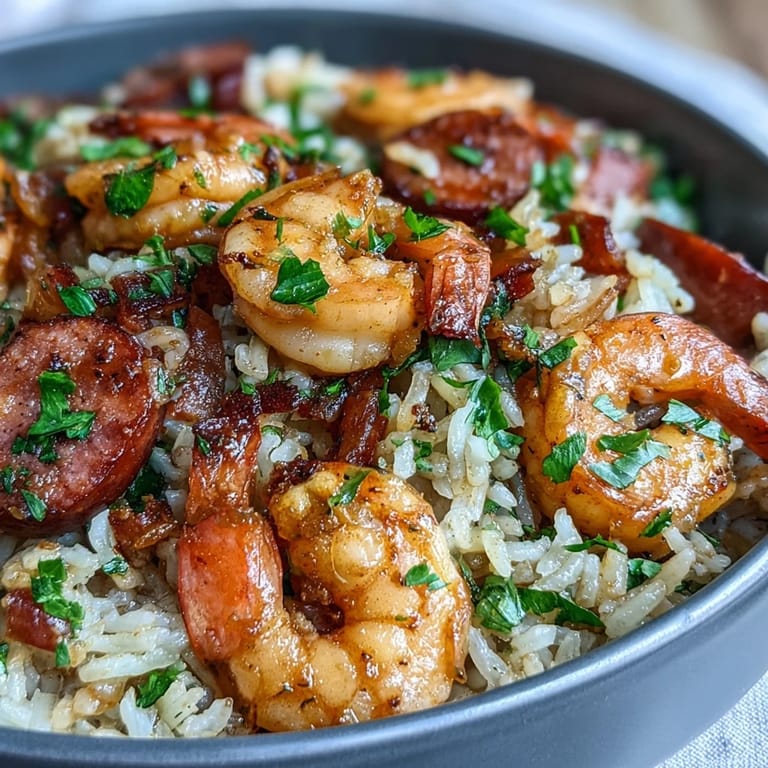
 My uncle swears the secret to good dirty rice is listening to it sizzle—that specific moment when the sausage hits the pan and the kitchen fills with smoke and spice. I learned that lesson the hard way one humid August afternoon, standing in his kitchen while he cooked this Cajun classic with the kind of casual confidence that comes from making the same dish a hundred times. The shrimp went in last, turning pink in seconds, and somehow that simple act of layering flavors felt less like cooking and more like orchestrating something alive. This dish became my go-to when I wanted to feel like I actually knew what I was doing in the kitchen.
There's something about serving this to friends who grew up nowhere near the South that makes you feel like a culinary translator. I once made this for a dinner party where half the table had never tried anything Cajun, and watching them go quiet after the first bite, then immediately reach for seconds, reminded me why this dish matters. It's not fancy or pretentious—it's just honest food that satisfies in a way that lingers.
Ingredients
- Smoked andouille sausage (225 g): This is the backbone of dirty rice, and its smoky heat should announce itself before anything else hits your palate—don't skip it or substitute with regular sausage.
- Large raw shrimp (225 g): Peeling and deveining takes five minutes and makes all the difference; frozen thawed shrimp work fine if fresh aren't available.
- Chicken livers (150 g, optional): They give the dish its authentic dirty quality and add a deep, mineral richness that's hard to fake.
- Long-grain white rice (200 g): Rinsing it prevents mushiness and keeps grains separate—this step actually matters here.
- Yellow onion, green bell pepper, celery: The holy trinity that builds every Cajun dish; their aromatic sweetness creates the savory base everything else rests on.
- Garlic (3 cloves, minced): Add it after the vegetables soften so it doesn't burn and turn bitter.
- Cajun seasoning (1.5 tsp): Check your blend—some brands run hotter than others, so taste and adjust before serving.
- Smoked paprika, thyme, oregano: These three create that distinctive warm, slightly smoky undertone that makes people ask what your secret is.
- Cayenne pepper (optional): Use it if you like heat; skip it if you're cooking for people who prefer gentler spice.
- Chicken broth (480 ml): Low-sodium broth gives you control over salt; the rice will absorb flavors as it cooks.
- Vegetable oil or unsalted butter (2 tbsp): Oil gets hotter and handles the sausage better, but butter adds richness if you prefer.
Tired of Takeout? 🥡
Get 10 meals you can make faster than delivery arrives. Seriously.
One email. No spam. Unsubscribe anytime.
Instructions
- Rinse and prepare your rice:
- Cold running water removes starch that makes rice gummy; watch the water turn from milky to clear, then you'll know it's ready.
- Brown the sausage first:
- Let it sit in the hot pan for a minute before stirring so it develops a crispy edge and releases its oils into the pan.
- Cook the livers if using them:
- They'll firm up quickly and break into small pieces; this step sounds offal and strange until you taste how it deepens everything that comes next.
- Build your aromatic base:
- Onion, pepper, and celery soften and sweeten together—give them a full five minutes so they release their essence into the oil.
- Toast the rice briefly:
- Two minutes in the hot pan coats each grain and prevents them from sticking together later; you'll hear a subtle crackling sound.
- Add your spices and seasonings:
- Stir them through the rice so every grain gets coated with flavor before the liquid goes in.
- Return sausage and pour in broth:
- Scrape the bottom of the pan to loosen all those browned bits—they're pure flavor you don't want to waste.
- Simmer covered for fifteen minutes:
- The rice will absorb the broth and begin to soften; resist the urge to peek too often as steam escapes and cooking slows.
- Nestle shrimp on top and finish cooking:
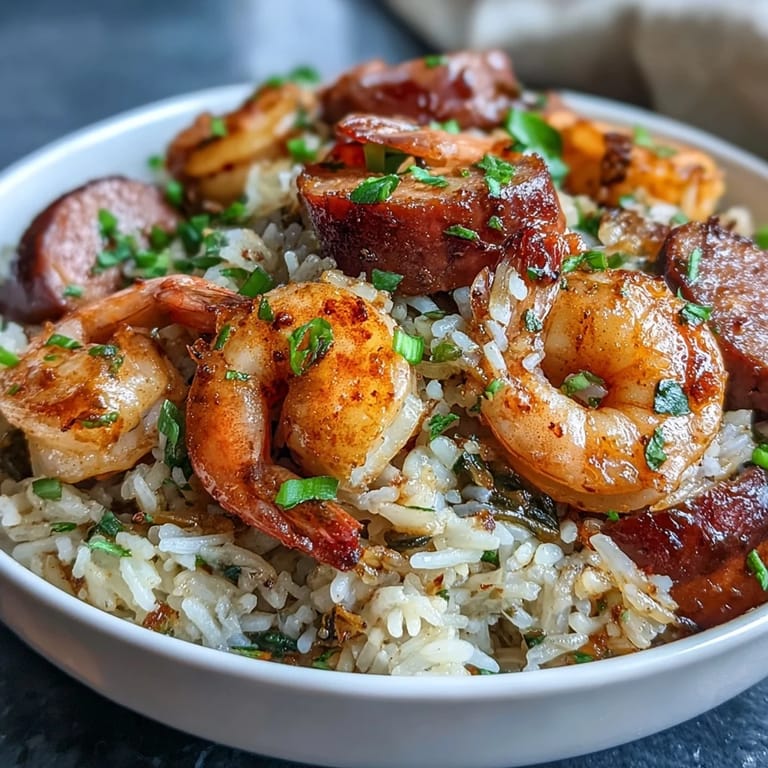
- Arrange them in a single layer so they cook evenly; five to seven minutes is all they need to turn from gray to opaque pink.
- Rest and fluff before serving:
- Five minutes lets everything settle and allows flavors to meld; fluff gently with a fork to separate grains without crushing them.
 Pin it
 I made this dish the night my friend told me she was moving across the country, and somehow cooking something this bold and warming felt like the right response when words weren't enough. We ate it straight from the pan, passing the skillet back and forth, and it became the meal I'd always remember when I thought of her leaving.
The Holy Trinity and Why It Matters
Every Cajun dish starts with onion, bell pepper, and celery because together they create a flavor foundation that feels almost mathematical in its balance. The sweetness of the onion, the subtle pepper notes, and the vegetal earthiness of celery don't compete—they harmonize, building a savory stage for everything that follows. I once tried rushing this step and adding everything at once, which resulted in a dish that tasted choppy and one-dimensional instead of layered and rich.
When to Use Fresh Versus Frozen Shrimp
Fresh shrimp tastes brighter and cooks slightly faster, but frozen shrimp that's been properly thawed works just as well and is honestly more practical most days. The key is thawing it gently under cold running water the night before, not in warm water or the microwave, which can make the texture mushy and water-logged. Both will turn pink when done, but fresh shrimp will feel firmer and slightly spring back when you press it.
Customizing Heat and Flavor Levels
This dish is naturally bold without being overwhelming, but your tolerance for spice shapes how much cayenne you add and whether your Cajun seasoning blend runs hot or mild. If you're cooking for mixed crowds, keep the cayenne completely separate and let people add it to their own bowls—it respects different heat preferences without compromising the dish. I've also found that a splash of hot sauce at the end adds brightness and another layer of spice that people can control themselves, which feels more collaborative than baking it into the whole pan.
- Start with less cayenne than you think you need—you can always add more, but you can't take it out.
- Taste a spoonful and let it sit for a moment before deciding if it needs more heat or seasoning.
- Fresh lemon juice at the end brightens everything and makes the spices feel less heavy.
 Pin it
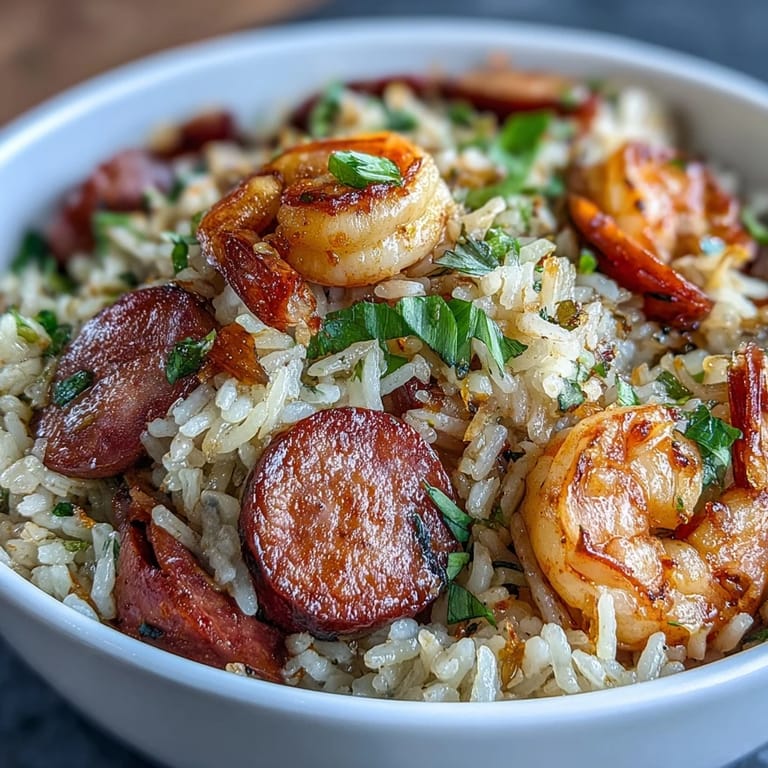
 This dish tastes better the next day when flavors have had time to marry, so don't hesitate to make it ahead and reheat it gently. Serve it with hot sauce, cold beer, and people who appreciate food that doesn't apologize for tasting like something real.
Recipe FAQs
- → What type of sausage works best for this dish?
Smoked andouille sausage adds authentic smoky, spicy flavor typical of Cajun cooking, but any smoked sausage can be a good substitute.
- → Can chicken livers be omitted?
Yes, chicken livers are optional and can be left out or replaced with finely chopped mushrooms for a different texture.
- → How do I achieve the right spice balance?
Combine Cajun seasoning with smoked paprika, thyme, oregano, and a touch of cayenne. Adjust heat with cayenne based on preference.
- → What’s the best way to cook the shrimp?
Add peeled and deveined shrimp on top of the simmering rice during the last 5-7 minutes to gently cook until pink and tender.
- → How can this dish be served?
Serve hot, garnished with sliced spring onions, alongside a cold lager or crisp white wine to complement the bold flavors.