 Pin it
 There's something about a skillet that sizzles with purpose—especially when you're standing at the stove at 6 PM with hungry mouths waiting. My mom had this tendency to grab whatever was tangy and bright from the pantry, and pepperoncini became her secret weapon for transforming plain chicken into something people actually wanted seconds of. The first time I made this version, I wasn't even thinking recipe; I was just throwing together what felt right, and somehow that combination of creamy sauce with those spicy-sour peppers just clicked.
I made this for a friend who'd just moved into a new apartment and was living off takeout containers, looking completely defeated by her empty kitchen. She had one skillet, some chicken in the freezer, and a half-empty jar of pepperoncini from who knows when. Twenty minutes later, we were eating something restaurant-quality at her tiny kitchen table, and she actually looked relieved—like she remembered she could feed herself well. That's when I knew this recipe was worth holding onto.
Ingredients
- Boneless, skinless chicken thighs or breasts (1 pound): Thighs stay juicier under heat, but breasts work if that's what you have—just don't walk away while they're cooking or they'll dry out on you.
- Olive oil (2 tablespoons): This gets hot enough to create that golden crust that makes the chicken actually taste like something.
- Pepperoncini, sliced (1 cup, drained): These little peppers are the whole personality of the dish—they're tangy, slightly spicy, and completely addictive; don't skip them or substitute with jalapeños.
- Garlic, minced (3 cloves): Garlic that goes into hot oil for just a minute smells like comfort in a way that's hard to describe.
- Heavy cream (1 cup): This softens the edge of the pepperoncini's heat while making the sauce silky; half-and-half works if you want something lighter, but the texture changes slightly.
- Low-sodium chicken broth (1 cup): The broth keeps things from getting too thick and one-note—it's the unsung player that makes the sauce actually taste balanced.
- Salt and black pepper: Season generously at the start; you can always taste and adjust at the end, but underseasoned chicken is a crime you can't undo.
Tired of Takeout? 🥡
Get 10 meals you can make faster than delivery arrives. Seriously.
One email. No spam. Unsubscribe anytime.
Instructions
- Pat and season your chicken:
- Take those chicken pieces and press them dry with paper towels—this tiny step is what lets you get that golden, not-steamed exterior everyone actually wants. Season both sides like you mean it; this is your only chance to season the chicken itself.
- Get your skillet hot and sear the chicken:
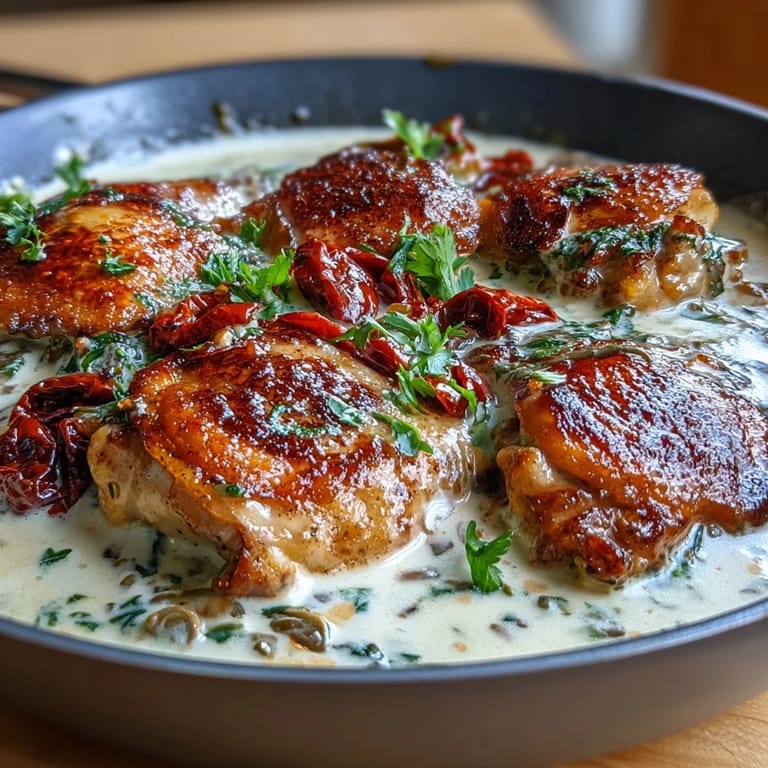
- Medium heat, oil that shimmers but doesn't smoke, then chicken that hits the pan with a confident sizzle. Don't move it around—let it sit for 6 to 7 minutes per side until the outside is golden and the inside is cooked through.
- Build your sauce base:
- After the chicken comes out, drop that heat down so you don't burn the garlic. One minute of garlic is enough; any longer and it tastes bitter, which ruins everything you've built so far.
- Add the pepperoncini and build flavor:
- Those peppers need a couple minutes in the hot pan to release their personality before you add liquid. The smell alone tells you something good is happening.
- Create the cream sauce:
- Pour in broth first, then cream, stirring as you go. Let it simmer gently—a rolling boil breaks cream sauce apart and makes it look curdled, so keep the heat respectful.
- Bring it all together:
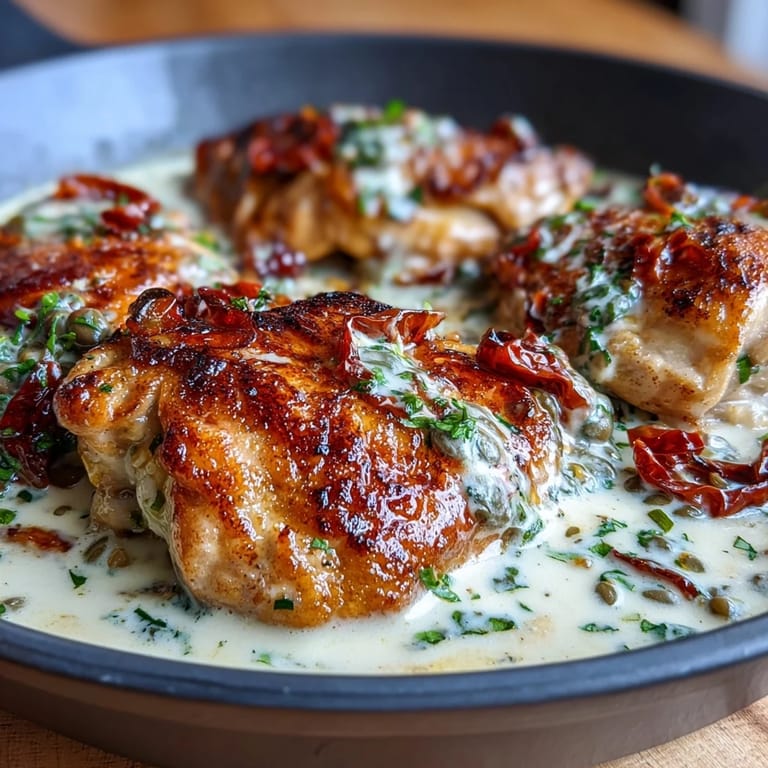
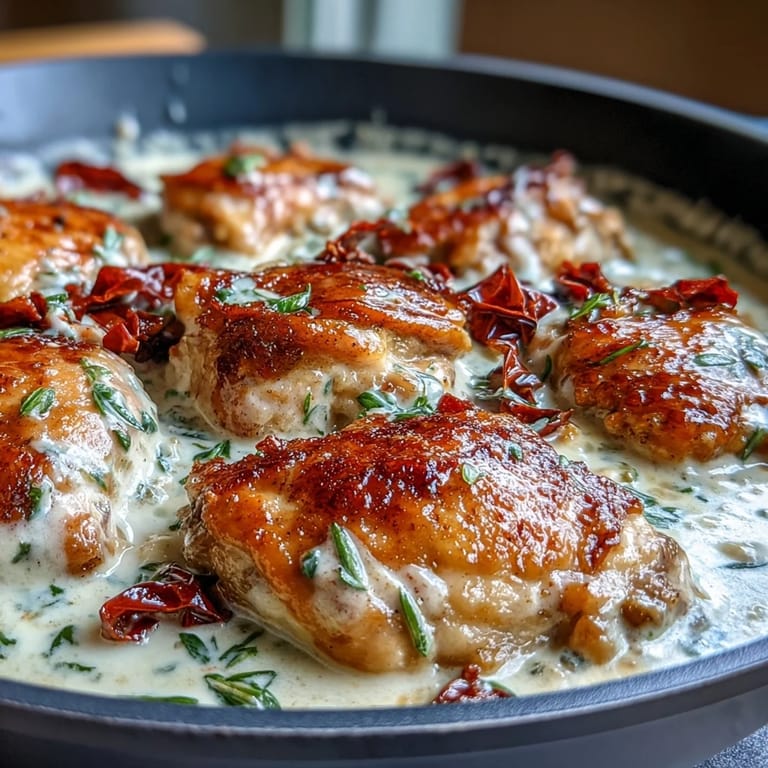
- Return the chicken with any juices that collected on the plate, then let everything warm through for a couple more minutes. This is when you taste and adjust—add more salt, pepper, or even a splash of pepperoncini brine if you want extra tang.
 Pin it
 There was a moment when I served this to someone who usually picks at everything, and they went silent—just quietly eating and actually enjoying their food without performance or complaint. It's strange how a dinner that takes half an hour can shift something small but real. Food like this reminds you that simple often means better.
What To Serve It With
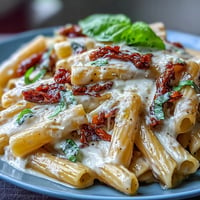
This sauce is too good to waste, so don't serve it with something that doesn't soak it up. Rice catches every drop in the best way—a simple jasmine or white rice that lets the pepperoncini and cream shine. Pasta works too if you're in the mood for something more filling, though you'll want something short and sturdy like penne so the sauce actually coats it. A bright green salad on the side cuts through the richness in a way that makes you want to keep eating.
How To Make It Your Own
This recipe is almost too flexible, which is either a blessing or a curse depending on how you look at it. I've added fresh herbs at the very end—parsley, basil, even dill if it's what I had—and each version tastes distinctly different. Some nights I add a handful of spinach or sun-dried tomatoes right before the chicken goes back in, and suddenly it feels like a completely new dish.
Storage And Make-Ahead Tips
Leftovers stay good for three days refrigerated, which means you can make this once and eat well for two nights without any shame. The sauce actually tastes better the next day after everything's had time to get to know each other. If you're planning ahead, you can prep everything but the cooking—chop your garlic, slice your peppers, measure your cream—and then it's just a 20-minute cook when you need dinner.
- Store in an airtight container and don't let it sit at room temperature for more than an hour before refrigerating.
- Reheat gently on the stove over medium-low heat, stirring occasionally and adding a splash of broth if it's gotten too thick.
- Freezing isn't ideal because cream-based sauces separate when thawed, so eat it fresh or within three days.
 Pin it
 This is the kind of meal that proves you don't need fancy ingredients or complicated technique to make something people actually want to eat. It's reliable, it's quick, and somehow it always feels a little bit special.
Recipe FAQs
- → Can I use chicken breasts instead of thighs?
Yes, boneless skinless chicken breasts work well, but thighs tend to stay juicier and more flavorful in this dish.
- → How do I adjust the sauce thickness?
Simmer the sauce longer to thicken it or add a small cornstarch slurry if needed for a creamier consistency.
- → Are jarred pepperoncini suitable?
Jarred pepperoncini are fine as long as they are drained well to avoid excess liquid in the sauce.
- → Can I make this dairy-free?
Substituting heavy cream with coconut cream creates a dairy-free version, though it alters the flavor slightly.
- → What sides pair best with this dish?
Serve with rice, pasta, or a crisp green salad to complement the creamy, tangy flavors.