 Pin it
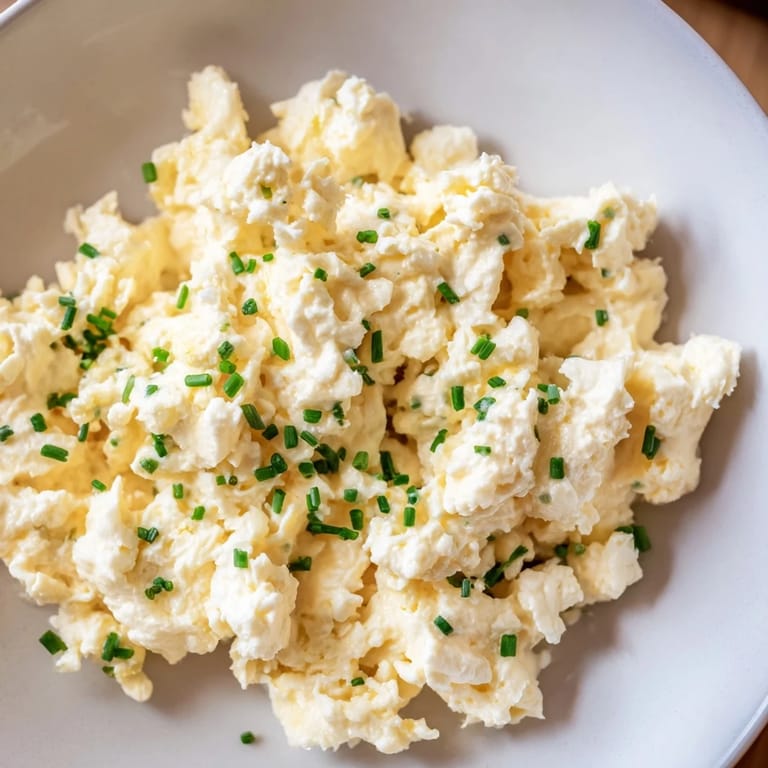
 One Sunday morning, my roommate opened the fridge and stared at a container of cottage cheese, wondering aloud why anyone buys it. I grabbed four eggs and a whisk, telling her I'd show her something that would change her mind about cottage cheese forever. Ten minutes later, she was asking for seconds of the fluffiest, creamiest scrambled eggs she'd ever tasted. That's when I realized this wasn't just a way to sneak protein into breakfast—it was magic in a bowl.
I've made these eggs for my mom on her birthday, and she couldn't believe they weren't made with cream cheese until I told her. She's been making them every other week since, claiming they're the only eggs worth her time anymore. It's become our little kitchen joke—the humble cottage cheese scramble that won over the pickiest breakfast eater in our family.
Ingredients
- Eggs: Four large eggs are the foundation, and their quality matters more than you'd think—try to grab farm-fresh ones if your market has them, as they'll have richer yolks and better flavor.
- Cottage cheese: Use full-fat cottage cheese without hesitation, as the low-fat versions won't give you that luxurious creamy texture you're after.
- Milk or cream: A tablespoon of either keeps things silky and helps the eggs cook more gently, preventing them from turning tough.
- Salt and black pepper: Freshly ground pepper tastes sharper and more alive than pre-ground, making all the difference in something this simple.
- Unsalted butter: Melted until lightly bubbling, it creates the perfect cooking medium for low-and-slow scrambling.
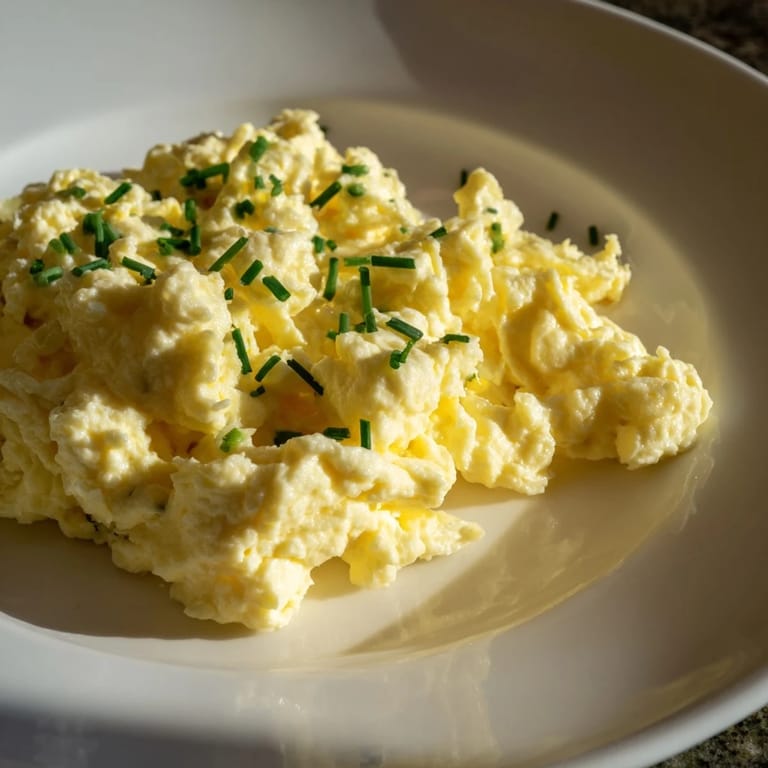
- Chives or parsley: A fresh garnish transforms the dish from plain to restaurant-worthy in the last three seconds.
Tired of Takeout? 🥡
Get 10 meals you can make faster than delivery arrives. Seriously.
One email. No spam. Unsubscribe anytime.
Instructions
- Combine your creamy base:
- Whisk eggs, cottage cheese, milk, salt, and pepper together until the mixture looks slightly frothy and the cottage cheese bits are mostly broken down. You're aiming for a texture that's cohesive but still has some personality.
- Melt your butter slowly:
- Heat the butter over medium-low heat until it's fully melted and just barely bubbling at the edges. This low temperature is your secret weapon—rushing this step leads to rubbery eggs, so take your time.
- Let it sit for a moment:
- Pour the egg mixture into the skillet and resist the urge to touch it for about twenty seconds. This gives the bottom a chance to set slightly and gives you a better texture overall.
- Stir gently and often:
- Using a spatula, sweep from the edges toward the center in slow, deliberate motions, then pause for a few seconds and repeat. This patient stirring is what creates those soft, creamy curds instead of a scrambled egg pancake.
- Know when to stop:
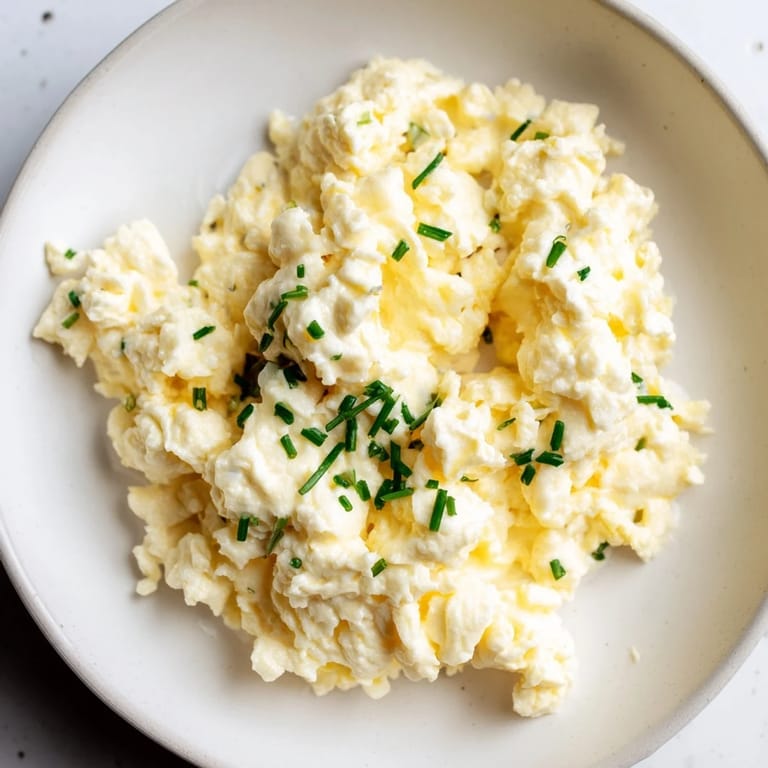
- The eggs are done when they look barely set but still jiggle slightly when you tilt the pan—they'll keep cooking from residual heat off the stove. Pull them off the heat immediately and plate them right away.
 Pin it
 There's something almost meditative about making these eggs—the gentle stirring, the way the cottage cheese almost disappears into silkiness, the smell of butter and eggs on a quiet morning. It's one of those dishes that feels too simple to be so satisfying, like you've discovered something everyone else missed.
Why Cottage Cheese Is Your Secret Weapon
Cottage cheese is basically coagulated milk solids that add protein and richness without the heaviness of cream. When you whisk it into eggs before cooking, those curds break down and distribute evenly, creating pockets of creaminess throughout. Most people associate cottage cheese with salads or desserts, but breakfast cooks have known for years that it's the ultimate texture upgrade for scrambled eggs.
Temperature and Timing Matter More Than You Think
The difference between fluffy, creamy eggs and a tough, overcooked scramble comes down to heat management and patience. Medium-low heat feels slow, but it gives you control and prevents the eggs from cooking too fast. If you're used to making eggs on higher heat, this will feel like an adjustment, but trust the process—your taste buds will thank you.
Variations and Add-Ins That Always Work
Once you've mastered the base recipe, you can build on it endlessly. Fold in sautéed spinach or tomatoes right before serving, or stir in smoked salmon for a brunch-worthy moment. Some mornings I scatter shredded cheddar or crumbled feta on top instead of herbs, and the warm eggs melt everything into a savory dream. The cottage cheese base is forgiving and plays well with almost any ingredient you love.
- Toast your bread or slice an avocado on the side to turn breakfast into something that feels intentional and complete.
- If you're feeding more than two people, double the recipe but resist the urge to use a larger pan—cook in batches so you maintain better temperature control.
- These eggs won't keep well as leftovers, so make them fresh each time you want them, which honestly takes less than ten minutes start to finish.
 Pin it
 There's a reason people keep coming back to this recipe—it's simple, quick, and impossibly creamy every single time. Once you master this technique, you'll be making it for everyone who walks into your kitchen.
Recipe FAQs
- → What makes these eggs extra fluffy?
The addition of cottage cheese and milk creates extra moisture and airiness, resulting in soft, fluffy eggs.
- → Can I use low-fat cottage cheese instead?
Yes, but full-fat cottage cheese helps achieve a creamier texture and richer flavor.
- → How do I avoid overcooking the eggs?
Cook on medium-low heat and remove the eggs while still slightly creamy to prevent dryness.
- → What are some good garnishes for this dish?
Chopped chives or parsley add fresh color and subtle herbal notes to complement the eggs.
- → Can I add other ingredients for extra flavor?
Absolutely! Fold in sautéed spinach, tomatoes, smoked salmon, or shredded cheddar for variety.