Pin it
 My grandmother used to say that black-eyed peas on New Year's Day weren't just tradition, they were insurance. She'd simmer this soup on the stove while we played cards in the living room, and the whole house would fill with this smoky, savory warmth that made everything feel like it might actually turn out okay. Years later, I realized it wasn't the superstition that kept me coming back to this recipe, but that particular smell of ham and thyme, the way the kitchen gets steamy and forgiving on a cold January morning.
I made this for my coworkers during a brutal winter, bringing it in a thermos because the office was perpetually cold and someone needed to do something kind. One guy who claimed not to like vegetables asked for seconds, and I didn't even bother telling him about the carrots and celery hidden in there. That moment taught me that comfort food isn't really about ingredients, it's about showing up.
Ingredients
- Cooked ham, diced: Use the good stuff if you can, not the pre-packaged kind that tastes like plastic. A ham bone adds incredible depth without any extra work on your part.
- Black-eyed peas: Dried peas need overnight soaking and are worth the wait for their subtle earthiness, but canned work perfectly fine when you're pressed for time.
- Onion, carrots, celery: This is your foundation, the holy trinity of Southern cooking, and don't skip the sautéing step because that's where the sweetness develops.
- Garlic: Minced fresh garlic makes all the difference, and yes, you can taste the difference between fresh and jarred.
- Diced tomatoes: The acidity brightens everything and keeps the soup from feeling heavy, so use the canned kind with the juice included.
- Chicken broth: Low-sodium lets you control the salt and keeps the flavors tasting like actual food instead of a salt lick.
- Smoked paprika: This is the secret weapon that makes people ask what you did differently, so don't skip it or swap it for regular paprika.
- Thyme, black pepper, cayenne: Layer these slowly and taste as you go because spice preferences are personal and your palate knows best.
Tired of Takeout? 🥡
Get 10 meals you can make faster than delivery arrives. Seriously.
One email. No spam. Unsubscribe anytime.
Instructions
- Prepare the peas if needed:
- If using dried peas, rinse them thoroughly and soak overnight in plenty of cold water. This softens them and reduces the cooking time significantly. Drain and rinse them again before adding to the pot.
- Build your flavor base:
- Heat a splash of oil in your large pot over medium heat and add the diced onion, carrots, and celery. Listen for the gentle sizzle and let them soften for about 5 minutes, stirring occasionally so nothing sticks to the bottom.
- Wake up the aromatics:
- Add your minced garlic and let it toast for about a minute until it releases that incredible fragrance. This step is quick but absolutely critical.
- Introduce the ham:
- Stir in the diced ham and ham bone if you're using one. Let it cook for a couple minutes so it warms through and begins to release its smoky flavor into the oil.
- Combine everything:
- Add the black-eyed peas, canned tomatoes with their juice, chicken broth, water, bay leaf, and all your seasonings. Stir everything together until well combined and the peas are submerged.
- Simmer low and slow:
- Bring the soup to a boil, then immediately reduce the heat to low and cover. Let it simmer gently for about an hour if you used dried peas, or 30 minutes if you used canned. You want the peas completely tender but still holding their shape.
- Finish and taste:
- Remove the ham bone and bay leaf, then taste the soup carefully. Adjust salt, pepper, or spice to your preference because this is where you make it your own.
- Serve with intention:
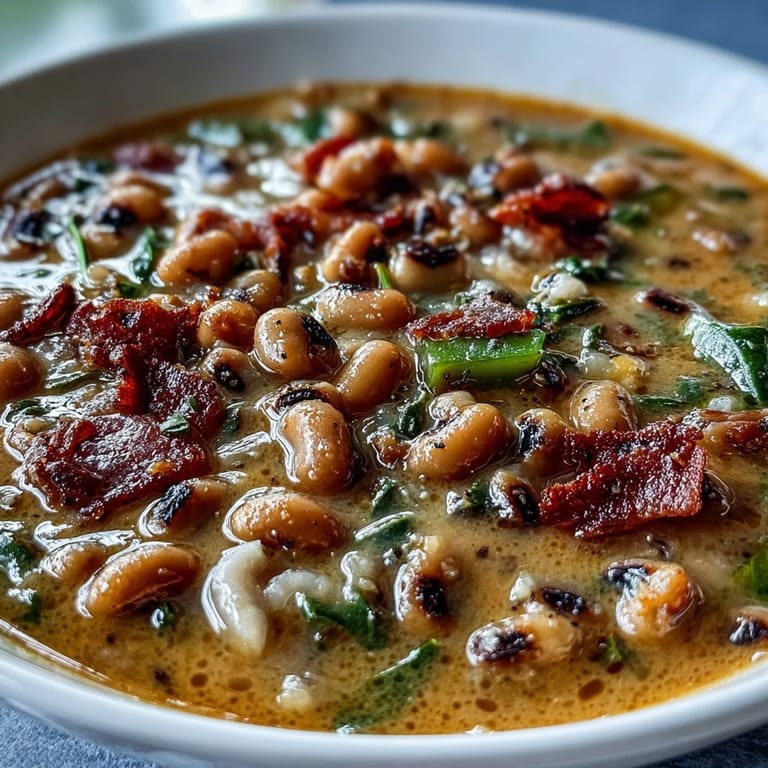
- Ladle into bowls while it's steaming hot and add fresh parsley or green onions if you have them on hand.
 Pin it
 There's something about serving this soup that makes people slow down. My nephew, who's perpetually on his phone, actually put it away to finish his bowl and ask for the recipe. That's when I knew this wasn't just a dish, it was one of those quiet things that reminds us why we gather around tables.
The Story Behind Black-Eyed Peas
Black-eyed peas show up in Southern kitchens every January first because folklore says they bring prosperity for the new year. Whether you believe in that or not, there's something powerful about a tradition that's been passed down through generations and generations of families cooking in kitchens just like yours. The peas themselves are mild and slightly earthy, which is why they work so beautifully in soups instead of demanding to be the star of the show.
Making It Your Own
This recipe is incredibly flexible, which honestly makes it more useful than fancier soups that fall apart if you change one thing. I've made it with turkey ham when that's what I had, added extra carrots when I was trying to use things up, and even thrown in fresh spinach at the very end for color and nutrients. The beauty of a soup this straightforward is that it gives you permission to adapt it.
Storage and Planning Ahead
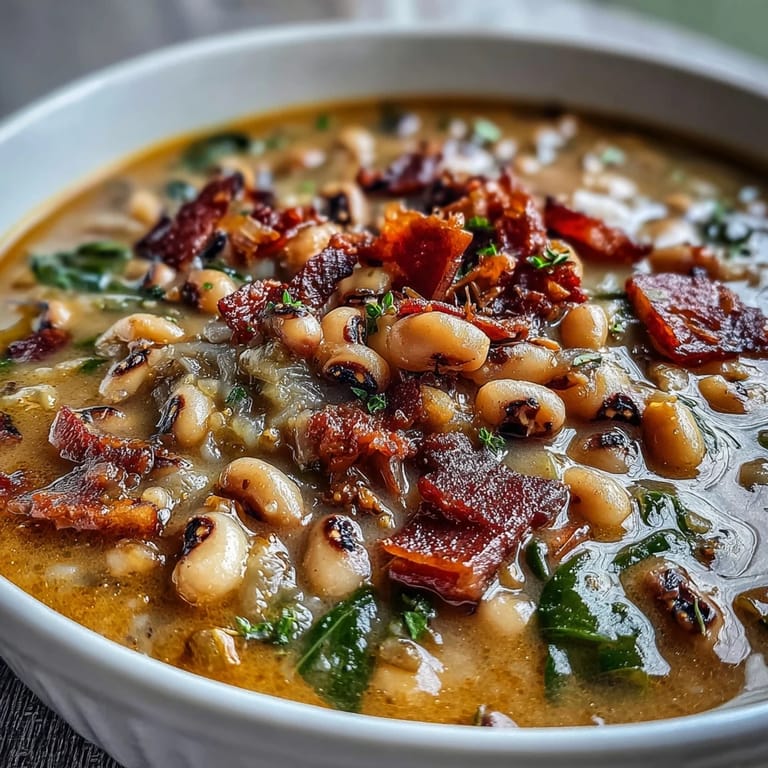
This soup actually gets better as it sits in the fridge because the flavors continue to meld and develop. It keeps beautifully for up to four days and freezes like a dream in containers or even ice cube trays if you want portions. Some people like to make this in big batches right after the holidays when they're thinking about eating better, and having it ready in the freezer means you've already won half the battle.
- Let the soup cool completely before freezing so you don't shock your freezer with heat.
- Leave a little headspace in your containers because soup expands when it freezes and you don't want a mess.
- Thaw in the refrigerator overnight and reheat gently on the stove, adding a splash of broth if it's gotten too thick.
 Pin it
 Cooking this soup is less about following rules and more about showing up for yourself and whoever you're feeding. Every time you make it, you're participating in something bigger than just lunch.
Recipe FAQs
- → How do I prepare dried black-eyed peas for the dish?
Rinse and soak dried black-eyed peas overnight in cold water. Drain and rinse again before cooking to ensure tenderness and reduce cooking time.
- → Can I make this dish vegetarian?
Yes, omit the ham and use vegetable broth instead. Adding smoked paprika helps retain a smoky depth without meat.
- → What cooking equipment is best for this dish?
A large pot or Dutch oven is ideal for slow-simmering and evenly cooking the ingredients to develop rich flavors.
- → How can I thicken the dish if desired?
Mash some of the peas against the side of the pot before serving to create a thicker, creamier texture.
- → What sides pair well with this dish?
Cornbread or crusty bread complements the smoky, hearty flavors and adds a satisfying texture contrast.