 Pin it
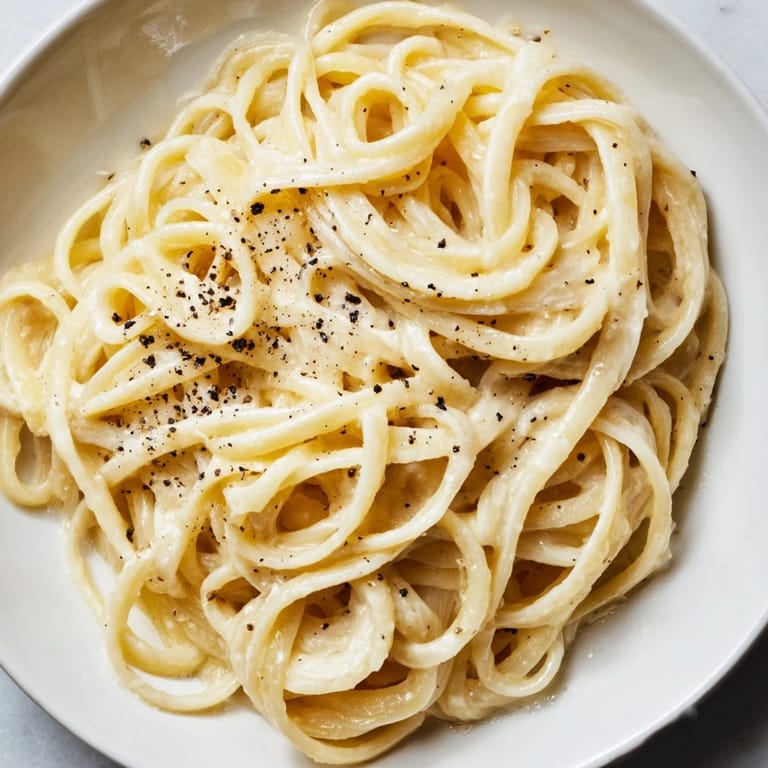
 There's something almost magical about standing in front of an empty pantry at 7 PM on a Tuesday, knowing dinner needs to happen in fifteen minutes. That's when I discovered that three ingredients—butter, Parmesan, and pasta water—could transform into something so creamy and satisfying it feels like a small miracle. No cream, no garlic, just the kind of simplicity that restaurant kitchens have been keeping secret for generations. I've made this so many times now that I could probably do it blindfolded, but it never gets old.
I'll never forget the first time I made this for my roommate, who had just complained about how everything took too long to cook. Watching her face light up when she twirled that first forkful of creamy pasta felt like I'd performed actual kitchen magic. She asked if I'd been holding out on her, and I had to laugh—I'd literally just discovered it myself the week before. Now it's her go-to meal when she's overwhelmed, and somehow that makes it taste even better.
Ingredients
- 200 g dried pasta: Spaghetti, linguine, or fettuccine all work beautifully here—just make sure it's the kind that holds onto sauce. The thinner shapes let you get more sauce on each bite, which is the whole point.
- 50 g unsalted butter: Use real butter, not the spreadable kind. The emulsification is what creates that luxurious sauce, and butter does it better than anything else.
- 60 g freshly grated Parmesan cheese: This is not the moment to grab the pre-grated stuff from a jar. Fresh Parmesan melts differently and tastes infinitely better—trust me on this one.
- Salt and black pepper: You'll taste how much you need as you go, so start with just a pinch.
Tired of Takeout? 🥡
Get 10 meals you can make faster than delivery arrives. Seriously.
One email. No spam. Unsubscribe anytime.
Instructions
- Boil water like you mean it:
- Get that water to a rolling boil before you even think about adding the pasta. Salt it generously—it should taste like the sea. This is your only chance to season the pasta itself.
- Cook the pasta until it bends:
- Follow the package directions but shoot for the lower end of the time range. Al dente means it still has a tiny bit of resistance when you bite it, not soft all the way through.
- Save the liquid gold:
- Before you drain anything, ladle out about 150 ml of that starchy pasta water into a measuring cup. This is the secret ingredient that makes everything work—don't skip it.
- Bring it all together off heat:
- Dump the drained pasta back into the hot pot, add the butter, and toss constantly for about 30 seconds until it coats everything. The residual heat is enough to melt the butter without burning it.
- Make the sauce happen:
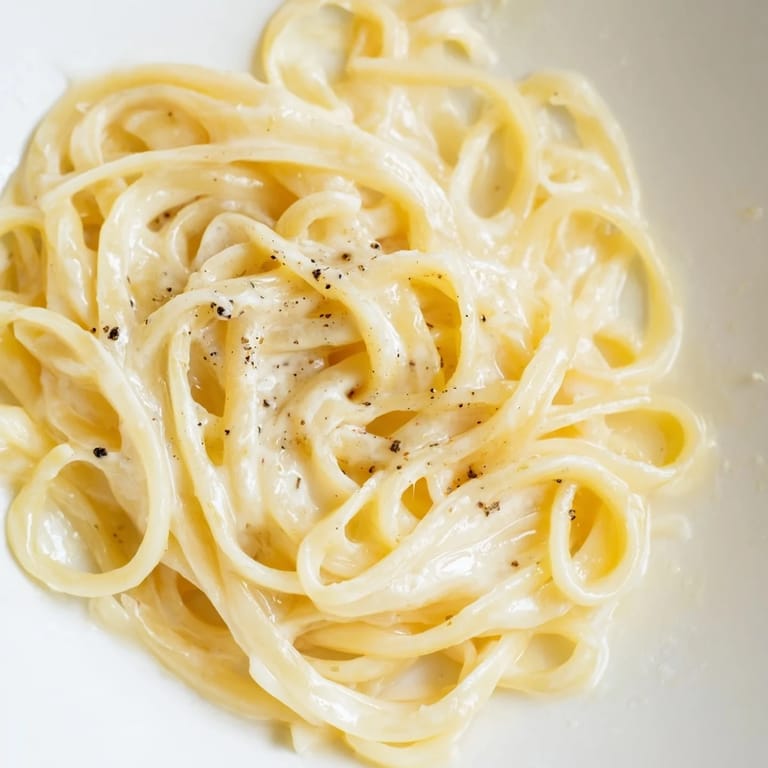
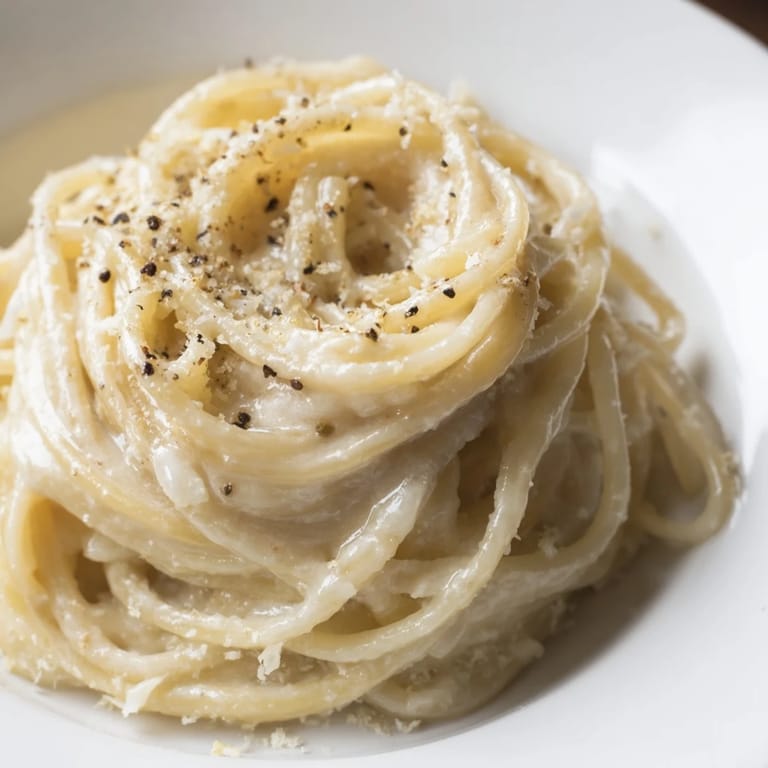
- Sprinkle the Parmesan over the buttery pasta and pour in about 60 ml of that pasta water. This is where it gets fun—toss vigorously like you're trying to teach the pasta a lesson. The friction and the starch are creating an emulsion right in front of you. If it looks too thick, add more water a tablespoon at a time until it flows like silk.
- Taste and adjust:
- Season with salt and pepper, taste it, then taste it again. Parmesan is already salty, so you might not need much.
 Pin it
 There was this night when my partner came home exhausted and I made this pasta in the time it took them to shower and change. We ate it standing up at the kitchen counter, barely talking, and somehow it felt like the most romantic dinner we'd had in months. The simplicity of it, the fact that I could make something so good with such ease—that's when I realized this wasn't just a lazy-day recipe, it was actually a gift.
The Secret Is Starch, Not Cream
Cacio e pepe—which is basically what this is, though we've simplified it even further—works because starch is an emulsifier. It's the same reason you see chefs in restaurants making pan sauces and deglazing with pasta water. The moment those starch granules hit the fat, they expand and trap it, creating that glossy, creamy texture you'd swear came from heavy cream. Once you understand this, you'll start seeing pasta water as the precious thing it actually is instead of something you automatically dump down the drain.
Why This Works When You're Tired
The beauty of this recipe is that it's not asking you to do anything complicated or time-consuming. You're not building layers of flavor or nursing a sauce for forty minutes. Everything happens in the time it takes your pasta to cook, which means you can keep your brain mostly shut off while dinner happens. It's the kind of recipe that gives you permission to be lazy without sacrificing the actual quality of what you're eating.
Play With It
Once you've made this a few times and it's second nature, start experimenting with small additions that won't slow you down. A pinch of nutmeg adds something almost imperceptible but deeply satisfying. Fresh cracked black pepper, especially if it's good pepper, becomes part of the dish rather than just a finishing touch. Some people swear by a tiny pinch of red pepper flakes, and honestly, they're not wrong.
- Fresh chopped parsley or chives scattered on top adds a bright moment of freshness that your palate will appreciate.
- If you have truffle oil or good quality red pepper flakes hanging around, this is where they shine without overwhelming the dish.
- Lemon zest right at the end can wake everything up, but use a light hand—a quarter teaspoon is usually plenty.
 Pin it
 This is the recipe I reach for when I need to be reminded that sometimes the simplest things are the best things. It's proof that you don't need a long ingredient list or hours of your time to make something worth eating.
Recipe FAQs
- → How do I achieve a creamy sauce with just butter and cheese?
Reserve some pasta cooking water and mix it with melted butter and Parmesan while tossing the pasta. The starchy water emulsifies with the cheese and butter, forming a smooth, creamy sauce.
- → Can I use different types of pasta for this dish?
Yes, long shapes like spaghetti, linguine, or fettuccine work best as they hold the sauce well, but feel free to use your favorite pasta type.
- → What is the best way to season this pasta?
Season simply with salt and freshly ground black pepper. Optional additions include a pinch of nutmeg or fresh herbs for extra flavor.
- → How can I make the sauce thicker or thinner?
Adjust the amount of reserved pasta water to achieve desired sauce consistency—more water for thinner sauce, less for thicker.
- → Is it possible to substitute the cheese?
Pecorino Romano makes a great alternative for a sharper taste, while maintaining the creamy texture of the dish.