 Pin it
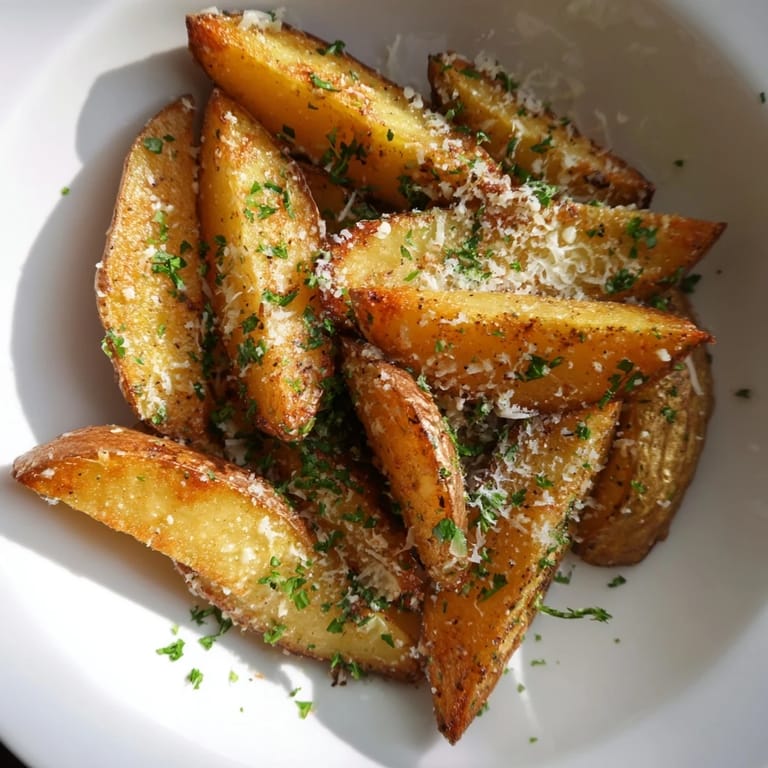
 There's something about the smell of rosemary hitting hot oil that instantly transports me back to my grandmother's kitchen on Sunday afternoons. She'd make these potato wedges without any fanfare—just potatoes, oil, herbs, and cheese—but somehow they'd disappear faster than anything else on the table. I've since learned that the secret isn't complexity; it's respecting each ingredient enough to let it shine. These crispy, golden wedges have become my go-to when I need something that feels homemade but comes together in under an hour.
I'll never forget the first time I made these for my partner's family dinner—I was so nervous about impressing people, but the moment those wedges came out of the oven and hit the table, I watched everyone's faces light up. That's when I realized good food doesn't have to be complicated; it just has to be made with attention. Now whenever someone asks me what to bring to a potluck, these are my answer.
Ingredients
- Russet potatoes: Medium ones work best because they have that perfect starch-to-moisture ratio; scrub them well and cut them into wedges about half an inch thick so they crisp up evenly.
- Olive oil: Don't skimp here—good oil makes the difference between golden and greasy, and the flavor actually matters when there aren't many other ingredients competing.
- Kosher salt and black pepper: Fresh pepper especially; pre-ground loses its bite, and you want that subtle heat throughout.
- Fresh rosemary: If you can find it, use it; dried works in a pinch, but fresh has this piney brightness that dried can't match.
- Garlic powder: A small amount adds savory depth without overpowering the rosemary's delicate flavor.
- Parmesan cheese: Freshly grated, not the stuff in the green can—it melts better and actually tastes like cheese, not salt.
- Fresh parsley: Optional, but it adds a pop of color and a hint of freshness that rounds out the richness.
Tired of Takeout? 🥡
Get 10 meals you can make faster than delivery arrives. Seriously.
One email. No spam. Unsubscribe anytime.
Instructions
- Get your oven ready:
- Preheat to 425°F and line your baking sheet with parchment paper—this keeps cleanup easy and helps ensure even browning on the bottom.
- Coat everything with care:
- In a large bowl, toss the wedges with oil, salt, pepper, rosemary, and garlic powder, making sure every piece gets coated; this is where the flavor begins.
- Arrange for maximum crispiness:
- Spread them out in a single layer with the cut side down so they make direct contact with the hot baking sheet—that's where the magic happens.
- Bake with patience:
- Give them 30 to 35 minutes, flipping halfway through so both sides turn golden and the edges get that irresistible crunch.
- Finish while hot:
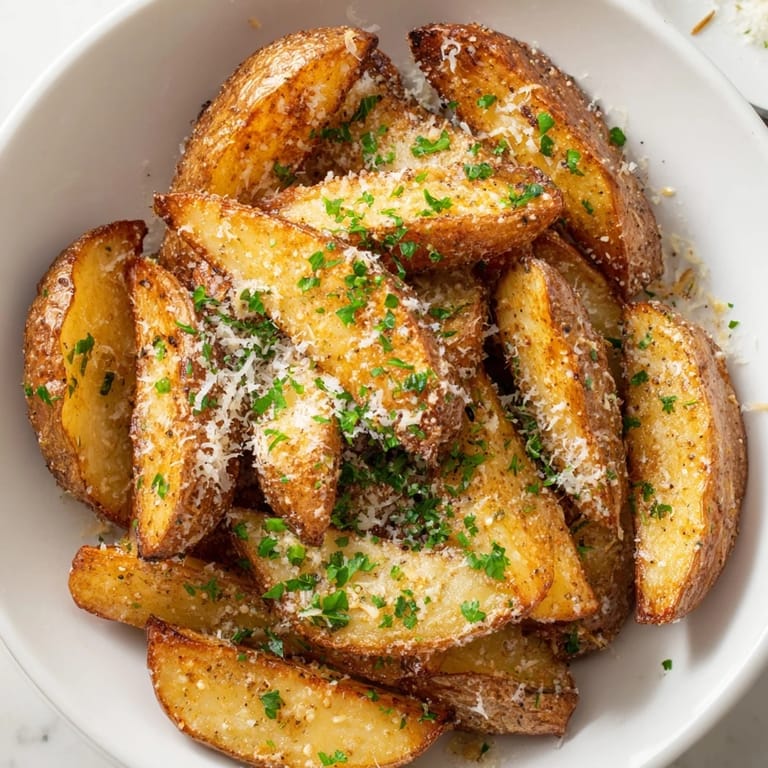
- The moment they come out, sprinkle the Parmesan generously over the hot wedges and toss gently so the cheese melts into all the crevices.
- Serve and enjoy:
- Transfer to a platter, add parsley if you like the look of it, and get them to the table while they're still warm and crispy.
 Pin it
 There was an evening when my kid actually asked for seconds of vegetables without being asked, and I realized these wedges had crossed over from side dish to something people genuinely looked forward to. That moment changed how I think about cooking—it's not about impressing anyone, it's about making food people want to eat.
The Texture Secret
The difference between good potato wedges and great ones comes down to how you treat them before they hit the oven. Starting with a hot baking sheet, arranging them cut-side down, and giving them space to breathe—these small details create that contrast between a crispy exterior and a fluffy center. I learned this the hard way after years of wondering why mine never matched what I got at restaurants, and now I can't imagine making them any other way.
Flavor Variations That Work
Once you nail the basic recipe, you can start playing around with what speaks to you. Smoked paprika adds a subtle depth and a hint of color, while chili flakes bring heat if that's your mood. Sometimes I'll add a pinch of cumin or a tiny bit of cayenne, depending on what I'm serving them with. The beauty of this recipe is that rosemary and Parmesan are flexible enough to let you experiment without losing what makes them special.
What to Serve Them With
These wedges are honestly good enough to eat on their own, but they shine when paired with something that complements their crispiness and richness. I've found that a garlicky aioli brings out their savory side, while a simple ketchup or even a spicy mayo works when you want something less fussy. They're equally at home alongside a burger, a grilled chicken breast, or even a simple salad if you want to balance things out.
- Garlic aioli takes them from side dish to show-stealer in seconds.
- A squeeze of fresh lemon juice just before serving adds brightness that cuts through the richness.
- Serve them warm if you want maximum crispiness, but they're honestly still pretty good at room temperature if you end up snacking on leftovers.
 Pin it
 At the end of the day, these rosemary Parmesan potato wedges are proof that you don't need a long ingredient list or complicated techniques to make something people genuinely love. They're meant to be made on a regular Tuesday night and served without apology.
Recipe FAQs
- → How do I ensure the wedges become crispy?
Soaking potato wedges in cold water for 30 minutes removes excess starch, leading to crispier results when baked. Pat dry thoroughly before tossing with oil and seasonings.
- → Can I substitute Parmesan cheese with another cheese?
Hard cheeses like Pecorino Romano or aged Asiago can be used as alternatives, providing similar savory depth and texture after baking.
- → Is fresh rosemary better than dried for this dish?
Fresh rosemary offers a brighter, more aromatic flavor, but dried rosemary also works well if finely crushed and used in smaller amounts.
- → What temperature and time are best for baking potato wedges?
Bake at 425°F (220°C) for 30–35 minutes, flipping halfway through to ensure even browning and a crispy exterior.
- → How can I add extra flavor or spice to the wedges?
Try sprinkling smoked paprika, chili flakes, or garlic powder along with the rosemary and Parmesan for varied flavor profiles.