 Pin it
 The first time I held a sheep's stomach in my hands, I nearly dropped it. I was helping my Scottish grandmother prepare haggis for Burns Night, and she simply handed me this pale, wrinkled casing like it was the most natural thing in the world. She'd already minced the heart and liver with practiced efficiency, steam rising from the pot beside her, and the kitchen smelled of nutmeg and toasted oats in a way that made everything feel ceremonial. By the end of that evening, after hours of simmering and the arrival of family around her old wooden table, I understood why this humble dish had survived centuries.
Years later, I made haggis for a dinner party in London, and a friend who'd been skeptical about eating organ meats went absolutely silent on the first bite. Not because something was wrong, but because she was genuinely surprised at how rich and comforting it tasted, how the toasted oats gave it this almost nutty texture that balanced the savory depth. That moment felt like passing something precious forward, the way my grandmother had meant for me to.
Ingredients
- Sheep's heart, liver, and lungs (500 g): These offal cuts are the soul of haggis, giving it that distinctive deep, mineral flavor; if sourcing them feels daunting, ask your butcher a few days in advance, or use good-quality lamb or beef mince as a gentler introduction.
- Beef or lamb suet (200 g), finely chopped: This fat adds richness and helps bind everything together during cooking; cold suet breaks into smaller pieces more easily, so keep it chilled until the last moment.
- Lamb or beef mince (300 g, optional): Adding this extra mince creates a smoother texture and makes the dish less intensely offal-forward without losing its character.
- Steel-cut oats, toasted (150 g): Toasting them first deepens their flavor and prevents the haggis from becoming gummy; you'll notice the difference immediately.
- Medium onions (2), finely chopped: They soften into sweetness during cooking and balance the savory richness beautifully.
- Beef stock (250 ml): This keeps the mixture moist and adds another layer of umami; homemade stock makes a noticeable difference.
- Ground black pepper, coriander, nutmeg, and allspice: The spice blend is what makes haggis sing, warming and slightly sweet, so measure them carefully and taste as you go.
- Salt (1½ tsp): Add it to the mixture itself, not just at the end, so the flavors develop properly.
- Sheep's stomach or large sausage casing: A butcher can prepare this for you, but a ceramic pudding basin with foil works just as well if you'd rather avoid the intimidation factor.
- Potatoes and turnips (500 g each): These should be waxy varieties that hold their shape when boiled and mashed; they're not just sides, they're essential companions.
Tired of Takeout? 🥡
Get 10 meals you can make faster than delivery arrives. Seriously.
One email. No spam. Unsubscribe anytime.
Instructions
- Prepare the offal gently:
- Rinse the heart, liver, and lungs thoroughly under cold water until the water runs clear, then place them in a large pot, cover with cold water, and bring slowly to a boil. You'll see the mixture change color slightly and foam rise to the surface; skim this off. Simmer gently for 1 to 2 hours until the meat is completely tender when pierced with a fork, then remove it carefully, let it cool just enough to handle, and mince it finely with a sharp knife.
- Toast the oats and combine the base:
- Spread the steel-cut oats in a dry pan over medium heat and toast them, stirring occasionally, until they smell nutty and golden, about 5 minutes. In a large bowl, combine the minced offal, chopped suet, toasted oats, finely chopped onions, and the optional lamb or beef mince, mixing with your hands until everything is evenly distributed.
- Season the mixture properly:
- Add the beef stock, ground pepper, coriander, nutmeg, allspice, and salt to the bowl, then mix thoroughly until the entire mixture is moist but not runny. Taste it (cooking it first if you're nervous) and adjust the spices if needed; the flavor should be warming and deep, not harsh.
- Fill the casing with care:
- If using a sheep's stomach, rinse it well under cold water, then fill it loosely with the mixture, leaving about a quarter of the space empty so it can expand as it cooks. Secure both ends tightly with kitchen twine, or if using a pudding basin, spoon the mixture in and cover the top tightly with foil, sealing it around the edges.
- Simmer gently for two hours:
- Place the filled casing or basin in a large pot of gently boiling water, ensuring the water comes halfway up the sides but doesn't cover the top. Maintain a gentle simmer (not a rolling boil) and check the water level every 30 minutes, adding hot water as needed to keep it at the same level.
- Prepare the neeps and tatties:
- While the haggis simmers, boil the potatoes and turnips in separate pots (they cook at slightly different rates) with a pinch of salt until completely tender, about 20 to 25 minutes. Drain each thoroughly, return to their pots, add a good knob of butter, and mash until creamy, tasting and seasoning with salt and pepper as you go.
- Rest and serve with ceremony:
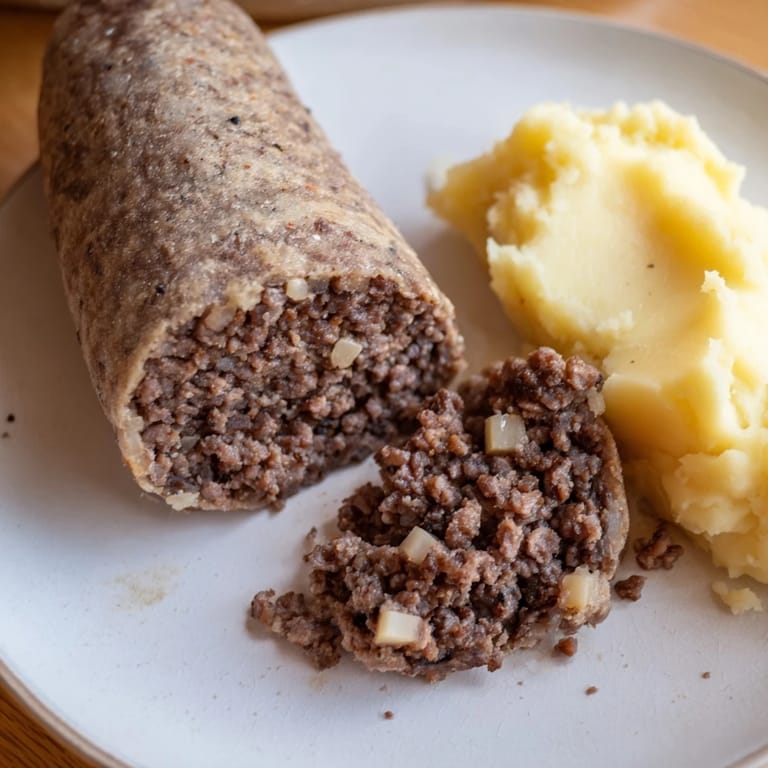
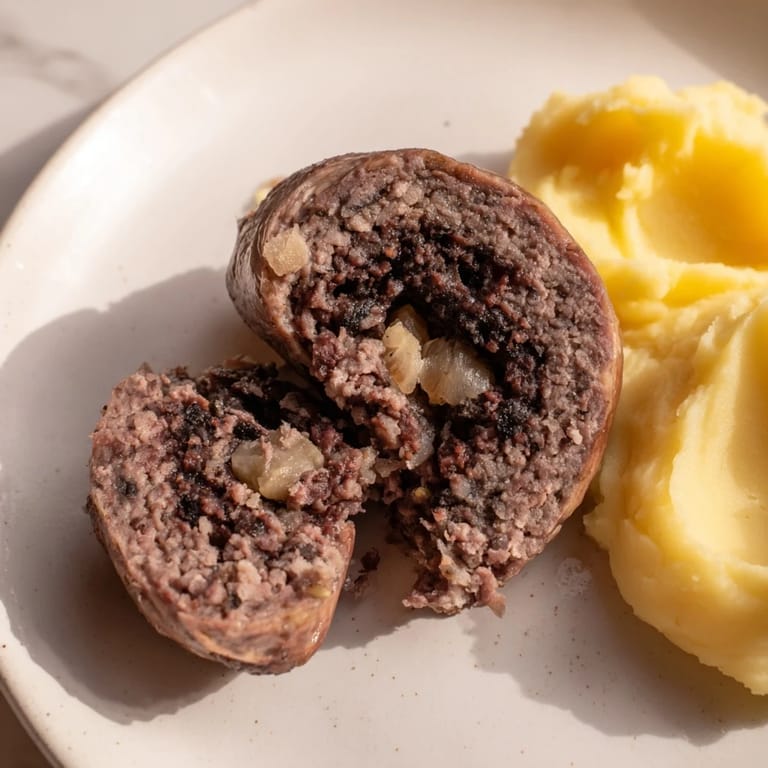
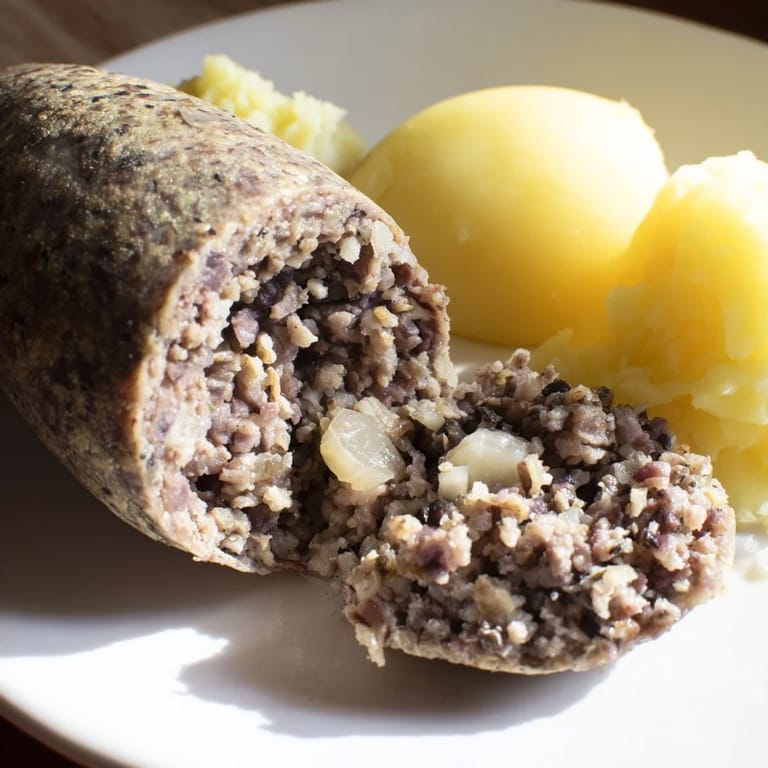
- Carefully remove the haggis from the water and let it rest for a few minutes before serving. If using a casing, slice it open carefully to reveal the steaming mixture inside, then serve alongside the mashed potatoes and turnips, each component on the plate warm and ready to eat together.
 Pin it
 The smell of haggis cooking is something you either crave or you don't, and I've learned that it's usually the latter until someone actually tastes it. There's a moment in every kitchen where skepticism gives way to genuine curiosity, especially when the warm plates come out and everything is steaming together.
On Sourcing and Substitutions
Finding offal can feel like a small quest, but calling your local butcher a day or two ahead transforms it into a straightforward transaction. They appreciate the notice and often have everything prepared and ready for you. If you're nervous about organ meats, remember that using a higher ratio of good lamb or beef mince with the suet and oats still creates something genuinely delicious, just slightly less intense; it's a valid choice, not a failure.
The Ceremony of Burns Night
Haggis belongs to Burns Night on January 25th, when Scottish people celebrate the poet Robert Burns with food, poetry, and music, but you don't need an excuse to make it. I've served it on quiet winter Tuesday nights with close friends, and the warmth of the dish creates its own occasion. There's something about eating something this rooted in history that makes a regular dinner feel meaningful.
Whisky and Accompaniments
A whisky cream sauce is the classic addition, whisky and double cream reduced gently until the cream is infused with the whisky's warmth and poured over the slice of haggis. Beyond that, pickled beetroot adds brightness, and some families serve it with a simple horseradish cream. The dish is forgiving enough to welcome whatever feels right to you.
- A good Scotch whisky in the cream sauce should be one you'd drink straight, not the cheapest bottle available.
- Vegetarian versions using pulses, mushrooms, and vegetable suet are genuinely delicious and worth exploring if you ever want to make this for non-meat eaters.
- Leftover haggis can be sliced and pan-fried until crisp, which is entirely different from the steamed version and absolutely worth doing.
 Pin it
 Making haggis is about more than cooking; it's about understanding a tradition that has fed people through centuries of Scottish winters and celebrations. Once you've done it once, you'll find yourself reaching for the recipe again, each time with a little less hesitation and a little more confidence.
Recipe FAQs
- → What meats are used in traditional Scottish haggis?
Traditional haggis uses sheep's heart, liver, and lungs combined with suet and sometimes additional mince for texture.
- → How is the mixture cooked in haggis?
The mixture is traditionally enclosed in a cleaned sheep’s stomach or a pudding basin, then gently simmered in boiling water for about two hours.
- → What are neeps and tatties served with haggis?
Neeps are mashed turnips (rutabaga), and tatties are mashed potatoes, both typically seasoned and buttered to accompany the main dish.
- → Can haggis be made without offal?
Yes, for a milder version, offal can be substituted with a mix of beef and lamb mince while keeping the traditional spices and oats.
- → Are there vegetarian alternatives to haggis?
Vegetarian versions replace meats with pulses, mushrooms, and vegetable suet to mimic the texture and flavor.