 Pin it
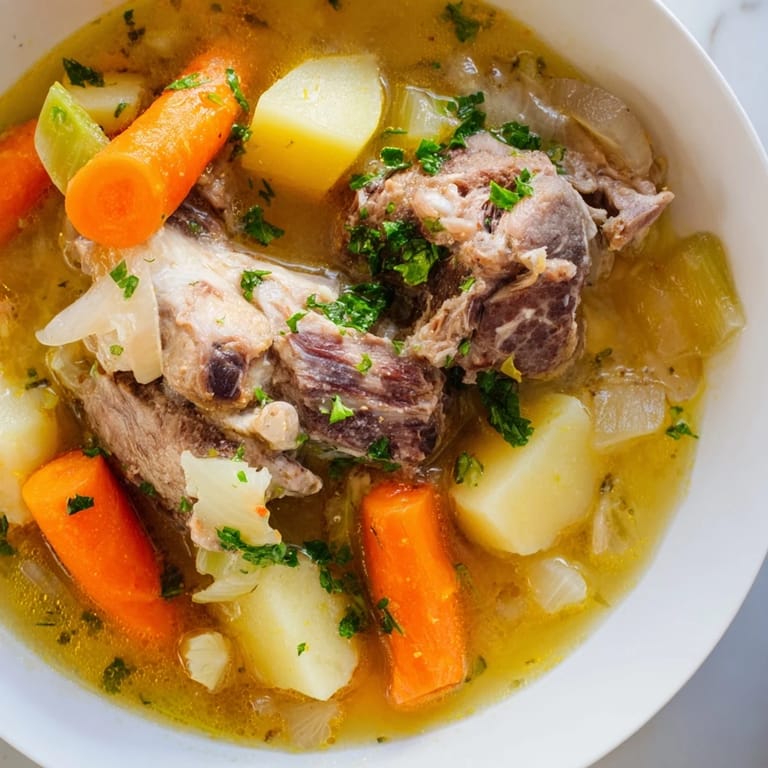
 I stumbled upon cawl on a gray afternoon in Cardiff, ducking into a small pub where steam rose from bowls crowded around wooden tables. The landlord ladled me a portion without asking, muttering something about proper Welsh comfort, and I understood immediately why this stew has lasted centuries. The lamb fell apart under my spoon, the leeks melted into the broth, and I sat there longer than I meant to, chasing warmth through every spoonful. It tasted like someone's kitchen, not a restaurant, and I wanted to learn how to make that feeling at home. So I did, over and over, until I stopped measuring and started listening to the pot.
I made this for my neighbor after she came home from the hospital, and she cried a little when she smelled it heating on her stove. She told me it reminded her of her grandmother's kitchen in Swansea, where cawl simmered every Sunday no matter the season. I had no idea I was handing her a memory, but that is what good food does when you let it speak for itself. She still asks me to make it every winter, and I always say yes.
Ingredients
- Lamb shoulder: Bone-in pieces add body and soul to the broth, so do not trim away the fat or bones before cooking.
- Carrots: Slice them thick so they hold their shape through the long simmer and add natural sweetness.
- Parsnips: These bring an earthy, slightly nutty flavor that balances the richness of the lamb beautifully.
- Potatoes: Use waxy varieties if you want them to stay intact, or floury ones if you prefer a thicker, cloudier broth.
- Swede: Also called rutabaga, it turns tender and sweet after slow cooking and soaks up the stock like a sponge.
- Leeks: The heart of cawl, leeks should be cleaned carefully between the layers where grit hides, then sliced into soft ribbons.
- Onion: A humble base that melts into the background but deepens every other flavor quietly.
- Stock: Low-sodium gives you control over the salt, and lamb stock is traditional, but chicken works just as well.
- Bay leaves: Two leaves are enough to add warmth without overpowering the delicate vegetable flavors.
- Parsley: Fresh parsley brightens the whole pot at the end, so do not skip the final handful.
Tired of Takeout? 🥡
Get 10 meals you can make faster than delivery arrives. Seriously.
One email. No spam. Unsubscribe anytime.
Instructions
- Start the lamb:
- Place the lamb in a large pot, cover with stock, and bring it to a rolling boil. Skim off the foam that rises, which keeps the broth clear and clean tasting.
- Simmer gently:
- Add bay leaves, lower the heat, and let it bubble softly for an hour with the lid on. The lamb should start to relax and pull away from the bone.
- Add the vegetables:
- Stir in carrots, parsnips, potatoes, swede, onion, and most of the leeks, saving a handful for later. Season with salt and pepper, then cover and simmer for 45 minutes until everything is tender.
- Finish with leeks and parsley:
- Add the reserved leeks and chopped parsley, then simmer for 10 more minutes. Taste and adjust the seasoning, then fish out the bay leaves.
- Serve hot:
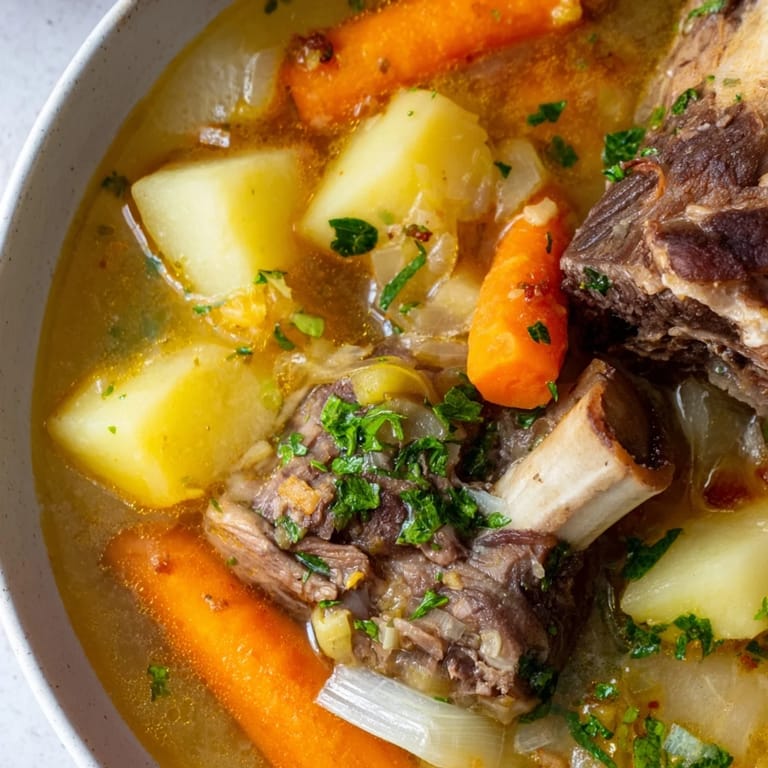
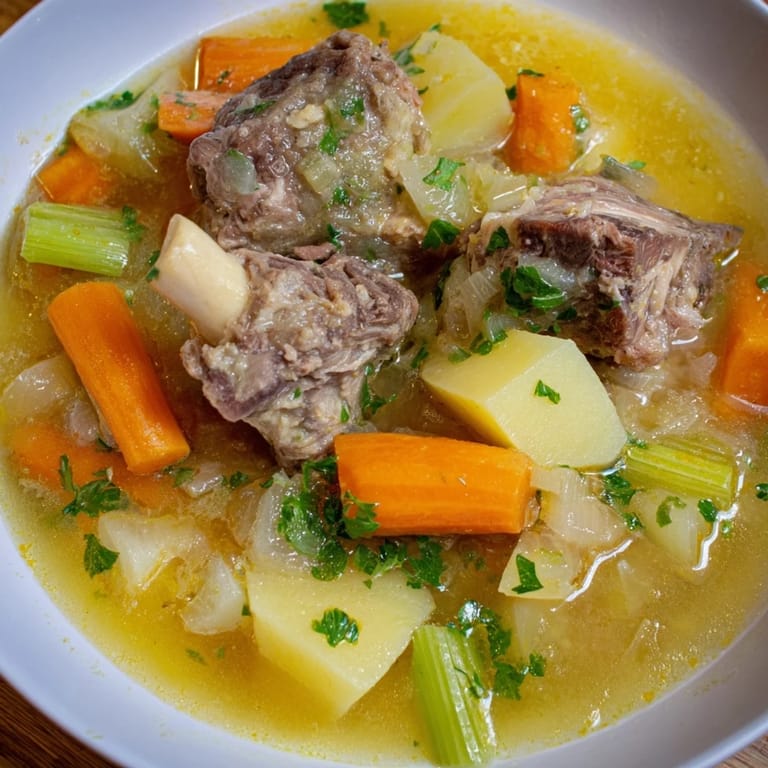
- Ladle into deep bowls, garnish with extra parsley, and serve with crusty bread or a wedge of sharp Welsh cheese. The broth should be rich, the lamb falling apart, and the vegetables soft but not mushy.
 Pin it
 One night I reheated leftover cawl and my partner said it tasted better than the day before, which I had suspected but never confirmed. We ate it quietly at the table with the lights low, and it felt like the kind of meal that does not need conversation to be perfect. That is when I realized cawl is not just food, it is a pause, a reset, a moment you can taste.
Choosing Your Lamb
Bone-in shoulder is my first choice because the bones release gelatin and the fat keeps everything moist and flavorful. If you can only find boneless, add an extra splash of stock and simmer a little longer to compensate. Some butchers will cut the shoulder into large chunks for you, which saves time and ensures even cooking.
Making It Ahead
Cawl loves to sit overnight in the fridge, where the flavors marry and the fat rises to the top so you can skim it off easily. Reheat it gently on the stove, adding a splash of water if it has thickened too much. I have never met anyone who prefers it fresh over day-old.
Serving Traditions
In Wales, cawl is often served in two courses: broth first, then the meat and vegetables after. I usually serve it all together in deep bowls, but sometimes I ladle the broth into mugs as a starter and it feels special. Crusty bread is essential, and if you can find Caerphilly cheese, its crumbly saltiness is the perfect match.
- Use a heavy-bottomed pot to prevent scorching during the long simmer.
- Save any leftover broth to use as a base for barley soup or risotto later in the week.
- If you want a thicker stew, mash a few of the potatoes against the side of the pot before serving.
 Pin it
 This stew has saved more cold evenings than I can count, and it never asks for much in return. Make it once, and you will understand why it has been warming Welsh kitchens for generations.
Recipe FAQs
- → What cut of meat works best for this stew?
Lamb shoulder with bone-in is ideal as it adds flavor and becomes tender during long cooking.
- → Can I substitute the vegetables in the stew?
Yes, root vegetables like carrots, parsnips, potatoes, and swede provide balance, but seasonal alternatives can also work.
- → How long should I simmer the stew for optimal tenderness?
Simmer gently for about 1 hour initially, then after adding vegetables, another 45 minutes until everything is tender.
- → Is there a way to enhance the stew’s flavor the next day?
Allowing the stew to rest overnight intensifies the flavors for a richer taste when reheated.
- → What are good serving suggestions with this dish?
Serve hot with crusty bread or traditional Welsh cheese for an authentic and satisfying meal.